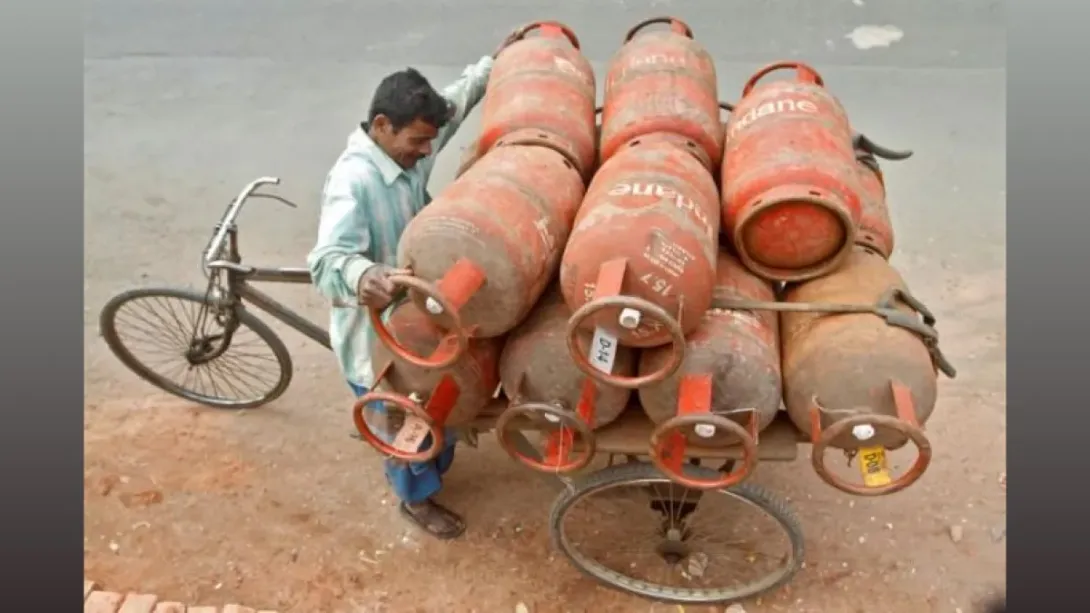
Growing concerns over the availability of liquefied petroleum gas (LPG) in Kerala have prompted a senior lawmaker to call for urgent government intervention. The appeal follows reports of potential supply disruptions linked to geopolitical tensions in West Asia, a region that plays a critical role in global petroleum exports. Kerala’s heavy dependence on LPG for domestic cooking and commercial operations makes the state particularly vulnerable to supply interruptions. The request highlights the importance of ensuring stable energy distribution networks in India, especially as global conflicts continue to influence fuel supply chains and commodity markets.
Rising Concerns Over LPG Availability
A prominent member of the Rajya Sabha has urged the Union government to take immediate steps to safeguard the supply of LPG cylinders in Kerala amid emerging concerns about possible disruptions.
In a communication addressed to the Union Petroleum Minister, the lawmaker emphasized the need for proactive measures to prevent shortages that could affect households and businesses across the state. The appeal comes at a time when international energy markets are experiencing volatility due to geopolitical tensions in West Asia.
Officials and industry observers have noted that disruptions in petroleum imports from the region could create logistical challenges in fuel distribution, particularly in states that rely heavily on LPG for everyday consumption.
Impact of West Asia Geopolitical Tensions
West Asia remains one of the most significant sources of crude oil and petroleum products for global markets, including India. Political instability and conflict in the region can often disrupt supply chains, affecting shipping routes, refinery operations and import schedules.
Such disruptions may not always lead to immediate shortages, but they can influence inventory levels and distribution timelines. As a result, policymakers and energy regulators closely monitor global developments to ensure that domestic fuel supplies remain stable.
Energy analysts point out that India’s dependence on imported petroleum products means that external geopolitical events can occasionally ripple through the domestic energy market.
Kerala’s Unique Dependence on LPG
Kerala presents a distinctive case within India’s energy consumption landscape. The use of LPG for household cooking in the state is nearly universal, making it one of the most LPG-dependent regions in the country.
This widespread adoption has been supported by government initiatives promoting cleaner cooking fuels and by strong distribution networks that have expanded access to LPG across both urban and rural areas.
However, the high level of dependence also means that any disruption in the supply chain could quickly affect millions of households. Beyond residential use, LPG is also widely utilized in restaurants, small businesses and hospitality establishments, making it essential for local economic activity.
Economic and Social Implications
A shortage of LPG cylinders could have broader implications beyond household cooking. Industries such as hospitality, food processing and small-scale manufacturing rely on LPG as an important operational fuel.
Disruptions in supply could therefore affect commercial operations, increase costs for businesses and create logistical challenges for distributors.
Energy economists often highlight the importance of maintaining robust supply chains for essential fuels, particularly in regions where alternative cooking or industrial fuels are not widely used.
Ensuring uninterrupted LPG availability is also critical from a social welfare perspective, as it supports daily household activities and contributes to public health by reducing reliance on traditional biomass fuels.
Need for Policy Coordination and Supply Management
The lawmaker’s request underscores the importance of close coordination between central authorities, oil marketing companies and state distribution networks to maintain steady LPG supplies.
Government agencies typically maintain strategic reserves and implement contingency planning to address potential disruptions in fuel supply chains. These measures can include adjusting distribution schedules, increasing imports from alternative sources or prioritizing deliveries to regions experiencing shortages.
Energy policy experts note that such coordination becomes especially crucial during periods of geopolitical uncertainty, when global commodity markets may experience sudden fluctuations.
Comments