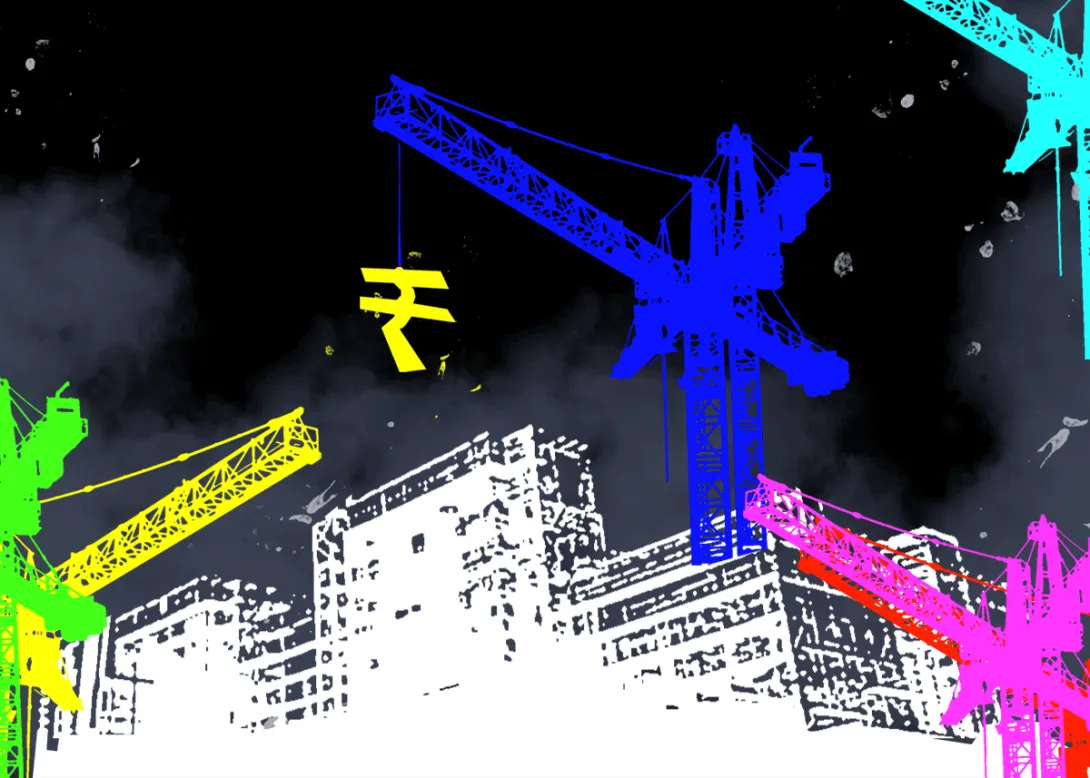
India’s real estate sector is entering a decisive growth phase, with projections indicating that the market could expand threefold by 2030. Driven by rapid urbanization, rising disposable incomes, infrastructure investments and increased institutional participation, the industry is transitioning from cyclical recovery to structural expansion. Residential demand remains robust, commercial leasing is rebounding, and emerging asset classes such as logistics and data centers are attracting substantial capital inflows. Regulatory reforms and digitization have improved transparency, strengthening investor confidence. As macroeconomic fundamentals remain stable, the property market is expected to play a pivotal role in India’s broader economic trajectory over the next decade.
Structural Drivers of Growth
India’s real estate market has historically mirrored economic cycles, but current projections suggest a deeper transformation is underway. The anticipated tripling of market size by 2030 is underpinned by demographic momentum and urban expansion. With millions migrating to cities each year, housing demand continues to outpace supply in several metropolitan and tier-II locations.
Rising household incomes and access to mortgage financing have broadened the buyer base. Low inventory levels in premium and mid-income segments have also encouraged developers to accelerate project launches. Analysts note that structural demand, rather than speculative investment, is driving current absorption trends.
Residential Sector: End-User Demand Leads
The residential segment remains the cornerstone of the market’s growth story. Affordable housing initiatives, combined with stable interest rates and improved regulatory oversight, have enhanced consumer confidence. Developers are increasingly focusing on timely delivery and financial discipline.
Luxury and premium housing have also gained traction, reflecting the purchasing power of high-net-worth individuals and non-resident investors. Branded developments and integrated townships are becoming more prevalent, signaling a shift toward organized real estate players.
Commercial and Emerging Asset Classes
Office leasing activity has recovered steadily, supported by global capability centers and technology firms expanding operations in major cities. Flexible workspaces and hybrid models have reshaped demand patterns, yet prime office assets continue to attract institutional investors.
Meanwhile, logistics parks, warehousing facilities and data centers are emerging as high-growth segments. The expansion of e-commerce and digital services has fueled demand for modern supply-chain infrastructure. Private equity funds and sovereign investors are increasing allocations to these alternative assets, reinforcing long-term capital flows into the sector.
Infrastructure and Policy Support
Government-led infrastructure projects, including metro networks, expressways and industrial corridors, are reshaping urban landscapes. Improved connectivity has unlocked peripheral markets and increased land values.
Regulatory reforms over the past decade have significantly enhanced transparency and accountability. Standardized compliance frameworks and digitized land records have reduced information asymmetry, making the market more attractive to global investors. Industry experts argue that policy stability will remain critical to sustaining growth momentum.
Investment Landscape and Capital Flows
Institutional participation has expanded markedly, with both domestic and foreign investors deploying capital across asset classes. Real estate investment trusts have further deepened market liquidity, offering retail investors access to income-generating commercial properties.
The inflow of structured financing and disciplined capital allocation suggests a maturing ecosystem. Analysts estimate that total market valuation could reach multiples of its current size by 2030, reflecting compounded annual growth supported by economic expansion.
Risks and Outlook
Despite strong fundamentals, the sector faces potential headwinds. Construction cost inflation, interest rate fluctuations and global economic volatility may influence short-term performance. However, long-term demand remains resilient due to India’s demographic dividend and urban infrastructure push.
The projected threefold expansion of the real estate market is not merely a cyclical upswing but a structural evolution. If supported by prudent policy measures and responsible capital deployment, the industry is positioned to become a central pillar of India’s economic growth by the end of the decade.
In sum, India’s property market is transitioning from recovery to expansion, supported by robust demand, institutional capital and policy reforms. For investors and developers alike, the coming years may define a generational opportunity in one of the world’s fastest-growing major economies.
Comments