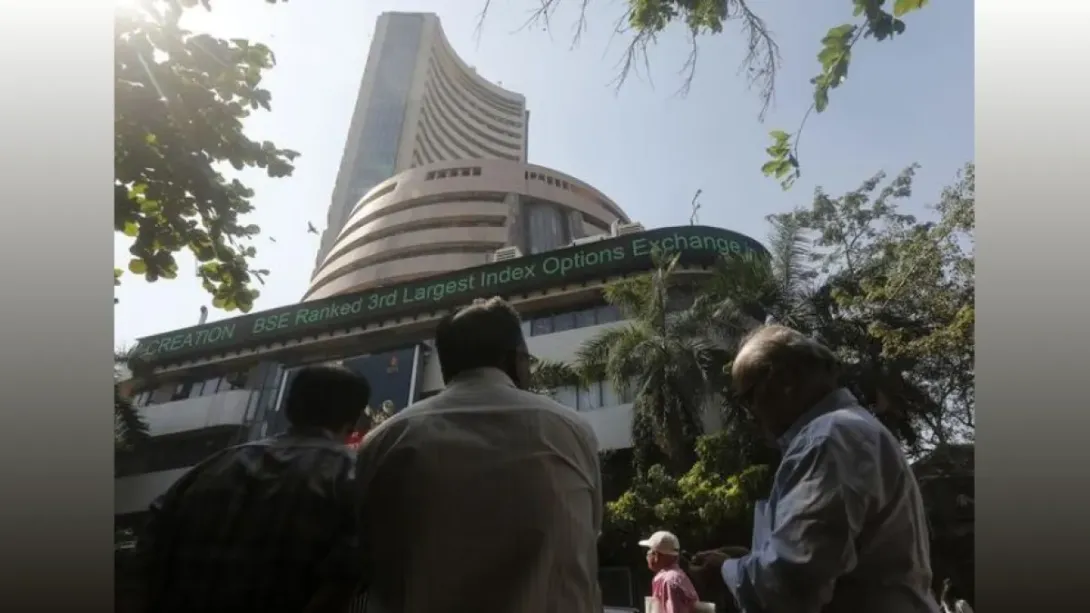
India’s stock markets witnessed a notable decline as investor sentiment was dampened by potential U.S. tariffs on Indian crude oil imports and persistent pressure on blue-chip stocks. Key indices such as the BSE Sensex and NSE Nifty slipped, reflecting apprehension over external geopolitical risks and domestic corporate performance. Analysts indicate that the tariff threat, coupled with subdued earnings in major sectors, contributed to heightened volatility. While some mid-cap and defensive sectors showed resilience, the broader market sentiment was cautious. Investors are closely monitoring government responses, energy import strategies, and quarterly corporate results to gauge the medium-term impact on equities.
Tariff Threat Weighs on Investor Sentiment
Concerns over potential U.S. tariffs on India’s oil imports from Russia have unsettled markets, as investors anticipate higher crude costs and possible trade repercussions. While details of the proposed tariffs remain unclear, the threat has triggered risk aversion among domestic and foreign institutional investors. Energy-intensive sectors, particularly refining and petrochemicals, experienced sharp sell-offs as market participants factored in higher input costs and margin pressures.
Blue-Chip Stocks Bear the Brunt
Leading blue-chip stocks, including banking, IT, and heavy industry leaders, faced the brunt of selling pressure. Analysts note that valuations in these segments are being re-evaluated in light of potential geopolitical risks and slower global demand. Despite robust long-term fundamentals, near-term volatility is expected to persist until tariff uncertainties are resolved.
Market Dynamics and Sectoral Performance
While large-cap stocks declined, some defensive sectors, including FMCG, pharmaceuticals, and utilities, demonstrated relative resilience. Mid-cap and small-cap indices displayed mixed performance, reflecting selective investor interest in earnings-stable companies. Market experts advise a cautious approach, emphasizing portfolio diversification and monitoring macroeconomic indicators, such as crude prices, currency fluctuations, and policy announcements.
Outlook and Investor Guidance
Equity markets are likely to remain sensitive to geopolitical developments, particularly trade and energy-related announcements. Investors are advised to track policy responses and company-level disclosures, as these will influence sectoral performance and overall market trends. While short-term volatility may continue, long-term fundamentals in India’s economy remain strong, supported by sustained consumption, infrastructure development, and foreign investment inflows.
Comments