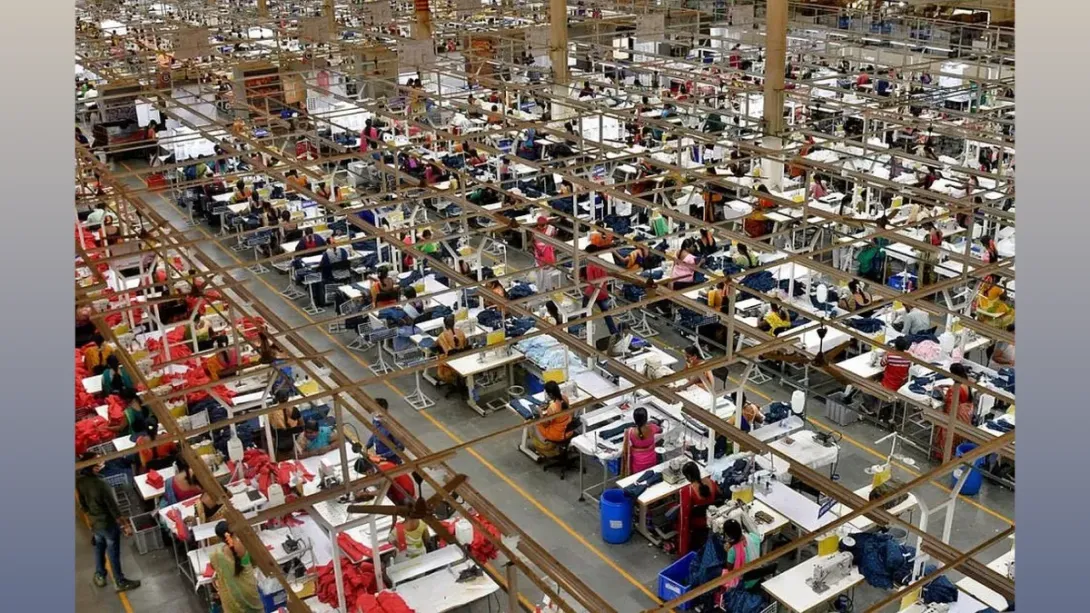
An upcoming textiles fair is poised to bring together more than 235 industry participants, underscoring the scale, diversity, and growing confidence of the textile and apparel sector. The event will serve as a strategic platform for manufacturers, exporters, designers, and technology providers to present innovations, forge partnerships, and assess market trends. Against the backdrop of shifting global supply chains and rising domestic demand, the fair highlights the industry’s renewed momentum. Stakeholders view the gathering not merely as an exhibition, but as a barometer of the sector’s economic relevance and future direction.
A Platform Reflecting Industry Scale
With participation from over 235 players, the textiles fair is shaping up to be one of the most comprehensive industry gatherings in recent years. Exhibitors are expected to represent the full value chain, ranging from fiber and yarn producers to fabric manufacturers, garment exporters, and ancillary service providers. Such broad-based representation signals both depth and maturity in the sector, reinforcing textiles as a cornerstone of industrial activity and employment generation.
Industry observers note that fairs of this scale function as critical marketplaces where commercial intent meets strategic dialogue. Orders, collaborations, and long-term supply agreements often trace their origins to conversations initiated on the exhibition floor.
Innovation and Value Addition in Focus
Beyond scale, the fair is expected to place strong emphasis on innovation and value addition. Participants are likely to showcase advancements in sustainable materials, technical textiles, and production efficiencies driven by automation and digital integration. These themes reflect a wider industry shift toward higher margins and global competitiveness.
As cost pressures persist and buyers demand greater transparency, companies are increasingly investing capital—often running into several crore rupees (Rs.)—to modernize operations. The fair provides an opportunity for businesses to demonstrate how these investments are translating into differentiated products and resilient supply chains.
Economic Significance and Market Outlook
The strong turnout also points to improving sentiment across the textiles ecosystem. Despite global uncertainties, the sector continues to benefit from policy support, export diversification, and steady domestic consumption. Analysts view such industry events as informal indicators of business confidence, particularly among small and mid-sized enterprises.
By facilitating direct engagement between producers, buyers, and policymakers, the fair is expected to contribute meaningfully to market intelligence and commercial activity in the months ahead.
More Than an Exhibition
Ultimately, the textiles fair is more than a showcase of products; it is a convergence of ideas, capital, and ambition. For an industry navigating transformation while anchoring millions of livelihoods, the participation of more than 235 players sends a clear message: textiles remains not only relevant, but strategically vital to the broader economic narrative.
Comments