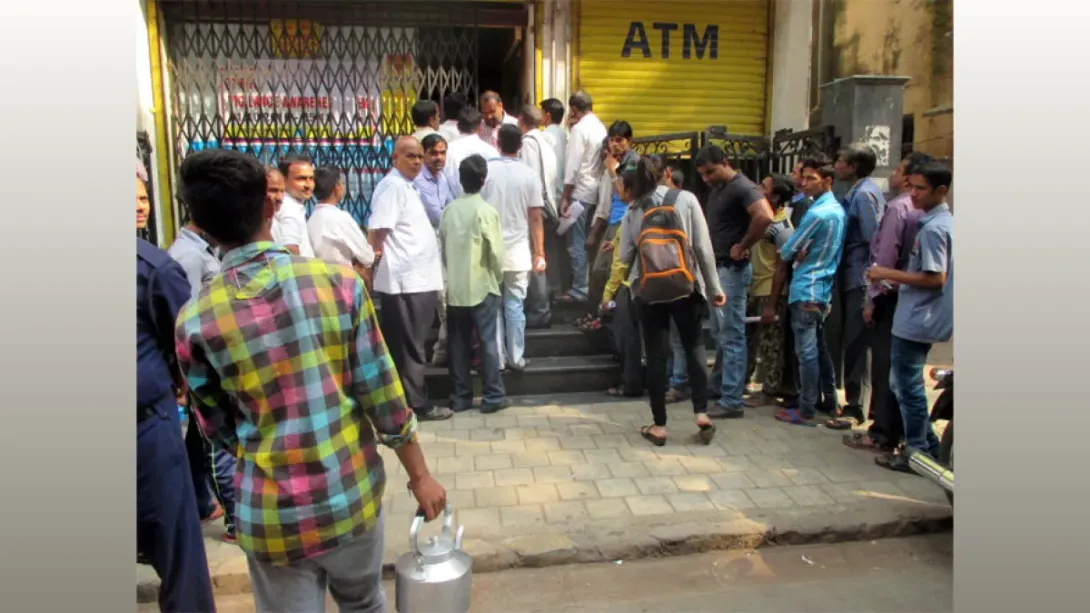
Cash withdrawals from automated teller machines declined significantly in 2025, reflecting a broader structural shift toward digital payments and electronic financial transactions. The trend highlights changing consumer behavior, driven by widespread smartphone adoption, real-time payment systems and expanding fintech ecosystems. Financial institutions are adapting by optimizing ATM networks while investing more heavily in digital infrastructure. The decline does not signal the disappearance of cash but underscores its reduced dominance in urban and semi-urban economies. Industry observers say the shift is reshaping banking operations, cost structures and customer engagement strategies, marking a defining moment in the evolution of India’s payments landscape and financial modernization journey.
Shift in Consumer Payment Behavior
The fall in ATM cash withdrawals points to a steady transformation in how consumers manage everyday transactions. Digital wallets, unified payment interfaces and contactless banking tools have become deeply embedded in retail spending habits.
Urban consumers, in particular, now rely more on instant bank transfers and QR-based payments than physical currency. Even small merchants and service providers increasingly prefer digital settlements, reducing the need for frequent cash access.
Banking Sector Adjusts Infrastructure Strategy
Banks are reassessing the role of ATMs within their service networks. While machines remain essential in rural and cash-dependent regions, financial institutions are optimizing ATM deployment in cities where digital adoption is strongest.
Operational costs associated with cash handling, machine maintenance and security have prompted lenders to balance physical infrastructure with digital expansion. Investments are now flowing more heavily into cybersecurity, mobile banking platforms and customer-facing technology upgrades.
Fintech Growth Accelerates the Transition
The rapid rise of financial technology firms has further reduced dependence on cash. User-friendly mobile applications, seamless onboarding processes and real-time transaction capabilities have made digital payments more accessible across demographic segments.
Government-backed payment systems and regulatory support for electronic transactions have also encouraged trust in non-cash alternatives. This ecosystem has lowered transaction friction, making digital payments a default option rather than a secondary choice.
Cash Still Relevant in Select Segments
Despite the decline, cash continues to play a meaningful role in certain parts of the economy. Rural markets, informal sectors and areas with limited connectivity still depend heavily on physical currency.
Seasonal demand, cultural spending patterns and emergency liquidity needs ensure that ATMs remain relevant, even as overall usage trends downward. Banks therefore face the challenge of maintaining balanced service availability without overextending resources.
Long-Term Implications for Financial Services
The reduction in ATM withdrawals signals a structural evolution rather than a temporary fluctuation. As digital payment ecosystems mature, banks are expected to derive greater efficiency from lower cash logistics costs and improved transaction transparency.
At the same time, competition in digital financial services is intensifying, requiring continuous innovation. Institutions that successfully integrate physical banking reliability with digital convenience are likely to lead the next phase of growth in India’s rapidly modernizing financial system.
Comments