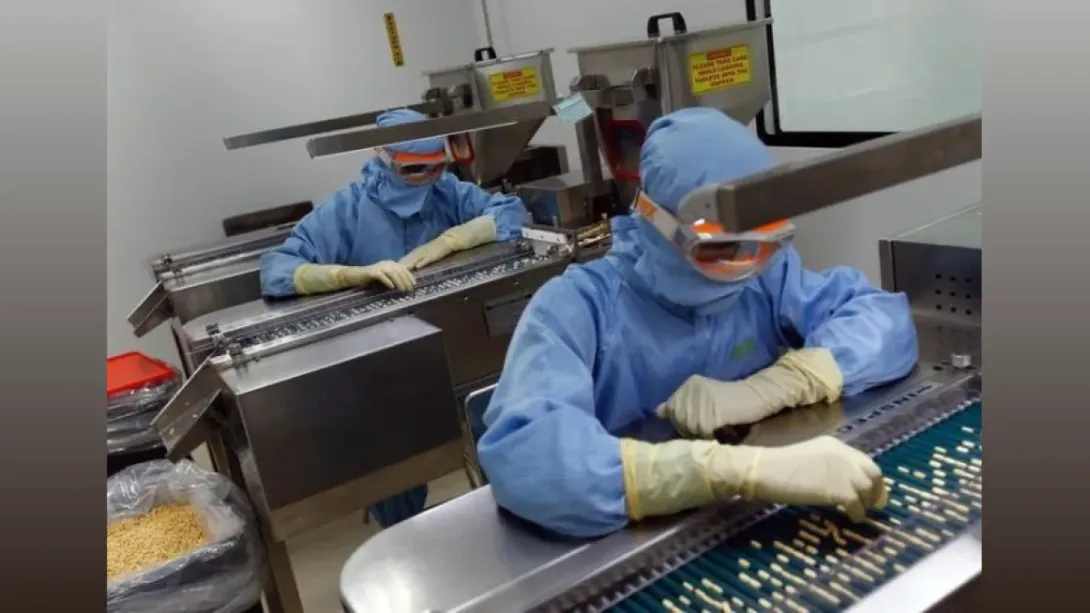
Cipla Ltd. disclosed that the U.S. Food and Drug Administration has issued a Form 483 with two observations following a Pre-Approval Inspection of its wholly owned subsidiary, InvaGen Pharmaceuticals, Inc. The inspection, conducted from Feb. 2 to Feb. 9, 2026, reviewed manufacturing operations at the U.S.-based facility. While a Form 483 does not constitute final regulatory action, it highlights areas where the agency believes improvements are warranted. The development underscores the rigorous compliance environment facing Indian pharmaceutical exporters and reflects ongoing regulatory scrutiny in the world’s largest drug market.
Inspection Overview and Regulatory Context
Mumbai-headquartered Cipla informed stock exchanges that the USFDA completed a Pre-Approval Inspection at InvaGen Pharmaceuticals’ manufacturing site in the United States earlier this month. The inspection concluded with the issuance of a Form 483 containing two observations.
A Form 483 is issued when FDA investigators identify conditions that may require corrective action. It is not a final determination of non-compliance but signals areas that must be addressed to the regulator’s satisfaction. Companies are typically expected to submit a detailed response outlining corrective and preventive actions within a stipulated timeframe.
Pre-Approval Inspections are conducted to verify the integrity of data submitted in support of product applications and to assess whether manufacturing facilities comply with current Good Manufacturing Practices.
Implications for Product Approvals
Pre-Approval Inspections play a critical role in determining whether pending drug applications can proceed toward commercialization in the U.S. market. The scope of such inspections generally includes evaluation of production processes, quality control systems, documentation practices, and overall facility compliance standards.
The issuance of two observations suggests limited deficiencies relative to broader regulatory actions, such as Warning Letters or Import Alerts. However, the ultimate impact will depend on the company’s response and the regulator’s assessment of corrective measures.
Industry analysts note that timely and comprehensive remediation is essential to avoid delays in product approvals, particularly in the competitive generics segment.
Strategic Importance of the U.S. Market
For Cipla and other Indian pharmaceutical manufacturers, the United States remains a key revenue driver. The U.S. generics market offers scale and profitability but is subject to stringent oversight and frequent inspections.
Regulatory scrutiny has intensified in recent years, with the FDA placing greater emphasis on data integrity, quality assurance, and manufacturing transparency. Even minor procedural lapses can affect supply continuity or delay product launches.
Maintaining compliance at U.S.-based facilities such as InvaGen is strategically significant, not only for sustaining revenue streams but also for safeguarding reputational capital in a highly regulated environment.
Industry Perspective: Compliance as Competitive Advantage
The pharmaceutical sector operates under a zero-tolerance framework for quality deviations. Companies with strong compliance records often gain competitive leverage through faster approvals and enhanced credibility among regulators and healthcare providers.
While Form 483 observations are relatively common following inspections, their nature and severity determine market perception. Limited observations, when addressed swiftly, are generally viewed as manageable operational issues rather than structural deficiencies.
Investors and market participants typically monitor such developments closely, as regulatory outcomes can influence earnings visibility and pipeline execution.
Outlook
Cipla is expected to engage constructively with the USFDA, submitting a formal response detailing corrective steps taken or planned. The regulatory process will determine whether additional action is required before product approvals proceed.
The episode serves as a reminder of the compliance-intensive landscape in global pharmaceuticals. For companies operating at scale in international markets, regulatory vigilance is not episodic but continuous.
As competition intensifies and oversight tightens, operational discipline and quality assurance remain central to sustaining long-term growth in the U.S. healthcare ecosystem.
Comments