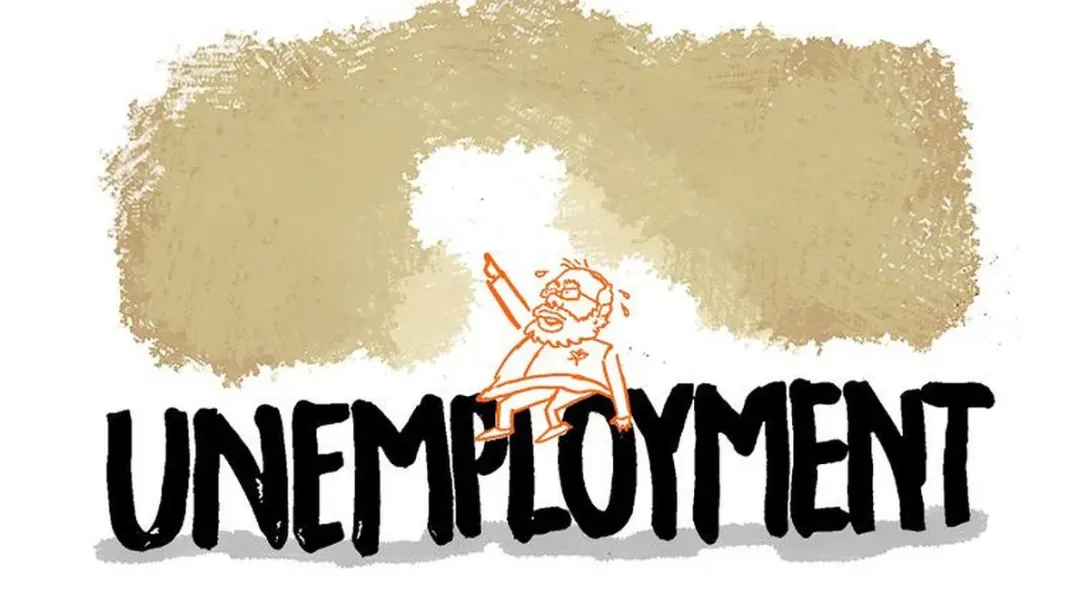
India’s unemployment rate rose to 5% in January, reflecting emerging stress in segments of the labor market despite steady economic growth. The uptick was largely attributed to softer hiring trends in urban centers and a temporary slowdown in select service sectors. While rural employment conditions remained relatively stable, workforce participation levels showed mixed patterns. Economists caution that the data underscores the uneven nature of India’s post-pandemic labor recovery, where formal sector gains coexist with informal sector vulnerabilities. Policymakers are expected to monitor the trend closely as employment remains central to sustaining consumption-driven growth and macroeconomic stability.
Labor Market Snapshot: January Data Overview
India’s unemployment rate increased to 5% in January, according to the latest survey findings, marking a moderate rise from the previous month. The change suggests that job creation momentum has softened, particularly in metropolitan regions where services and small enterprises drive employment.
Although a 5% unemployment rate remains comparatively manageable by global standards, the month-on-month rise indicates potential cyclical pressures. Analysts note that fluctuations in hiring during the post-festive period often influence January data, making it important to assess trends over a longer horizon rather than in isolation.
Urban Versus Rural Employment Trends
The January survey highlighted a divergence between urban and rural labor markets. Urban areas experienced a marginal rise in joblessness, driven by subdued hiring in sectors such as retail trade, hospitality and certain technology-driven services. Seasonal recalibration following year-end demand may have also contributed to temporary workforce adjustments.
Rural employment conditions appeared more stable, supported by agricultural activity and government-backed infrastructure projects. However, economists warn that structural underemployment in rural regions remains a persistent challenge, even when headline unemployment figures appear contained.
Workforce Participation and Structural Dynamics
Beyond the unemployment rate, workforce participation metrics provide additional context. A stable or rising labor force participation rate typically signals confidence among job seekers. However, if individuals exit the workforce due to discouragement, unemployment figures may understate underlying stress.
India’s labor market continues to navigate structural shifts, including digitization, formalization of enterprises and the gradual migration of workers from informal to formal employment frameworks. While these transitions strengthen long-term productivity, they can create short-term friction in job absorption.
Demographic dynamics further complicate the picture. With a large working-age population entering the labor force each year, sustained job creation remains critical to maintaining economic equilibrium.
Macroeconomic Implications
Employment trends directly influence consumption patterns, household savings and credit demand. A sustained rise in unemployment could dampen discretionary spending, affecting sectors ranging from consumer durables to housing.
However, India’s broader economic indicators remain relatively resilient. Infrastructure investment, manufacturing incentives and policy reforms aimed at boosting domestic production continue to support medium-term growth prospects.
Economists argue that targeted policy measures—such as skill development programs, incentives for labor-intensive industries and support for small and medium enterprises—could mitigate employment volatility and enhance labor absorption capacity.
Policy Outlook and Forward View
Policymakers are expected to monitor labor market data closely in the coming months. A stable inflation trajectory and calibrated monetary policy stance could create room for supportive growth measures if employment softness persists.
While January’s unemployment rate of 5% does not signal systemic distress, it underscores the importance of sustained job creation in an economy aspiring to maintain high growth while ensuring inclusive development.
The coming quarters will be crucial in determining whether the January uptick represents a transient adjustment or the beginning of a broader labor market slowdown. For now, the data serves as a reminder that economic expansion must be matched by consistent and diversified employment opportunities.
Comments