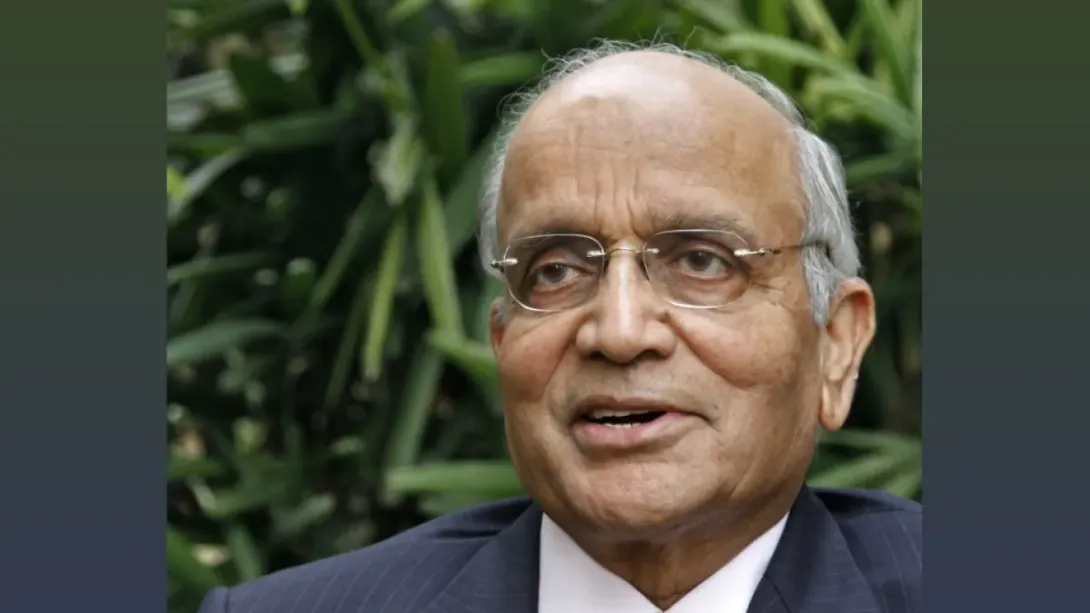
Maruti Suzuki Chairman R.C. Bhargava has emphasized the need for India to present a united front in addressing the challenges posed by rising U.S. tariffs on Indian goods. Speaking on the broader implications of protectionist trade policies, he underscored that fragmented or sector-specific responses may weaken India’s bargaining power in global negotiations. Bhargava argued that an integrated national approach is essential not only to safeguard exporters but also to sustain long-term industrial competitiveness. His remarks highlight a growing concern within India’s corporate and policy circles over the potential impact of tariff hikes on the country’s export-driven sectors.
---
The Challenge of Rising U.S. Tariffs
The recent escalation in U.S. tariffs has created significant uncertainty for Indian exporters across key industries, ranging from automotive components and textiles to pharmaceuticals and IT services. For a country like India, where exports are vital to sustaining economic growth, these measures pose both immediate financial risks and long-term strategic challenges. Bhargava warned that the ripple effects could dampen investment sentiment, limit foreign market access, and reduce the competitiveness of Indian goods.
---
Call for Collective Strategy
According to Bhargava, India’s response must transcend narrow sectoral interests. He stressed that the government, industry associations, and corporate leaders need to work together in shaping a consolidated stance that conveys India’s determination to protect its economic interests. A fragmented approach, he cautioned, could lead to disproportionate concessions or piecemeal solutions, ultimately weakening the country’s position in bilateral and multilateral trade talks.
---
Implications for the Automotive Sector
As head of India’s largest carmaker, Bhargava also reflected on the specific risks for the automotive sector. Higher tariffs on auto parts or related exports could disrupt supply chains and raise costs for manufacturers who already operate on thin margins. However, he suggested that with proper coordination and government support, the industry can adapt by diversifying export markets and accelerating the shift toward self-reliant manufacturing capabilities under the “Make in India” initiative.
---
Broader Trade Policy Considerations
The chairman’s remarks come amid a global trend of rising protectionism, where countries are increasingly adopting tariff barriers to safeguard domestic industries. Analysts believe India must carefully balance its response—protecting exporters from tariff shocks while ensuring that retaliatory measures do not escalate into broader trade disputes. A unified strategy, supported by data-driven policymaking and targeted incentives, could enhance India’s negotiating leverage in discussions with the U.S. and other major economies.
---
Conclusion
Bhargava’s call for unity underscores a critical juncture in India’s trade policy debate. As global trade tensions intensify, the need for cohesive, forward-looking strategies becomes paramount. For India, the path forward lies not in isolated reactions but in collective action that protects domestic industries, sustains competitiveness, and ensures long-term resilience. The Maruti chairman’s remarks serve as both a warning and a rallying cry for policymakers and business leaders to act in concert as India navigates the evolving global trade landscape.
Comments