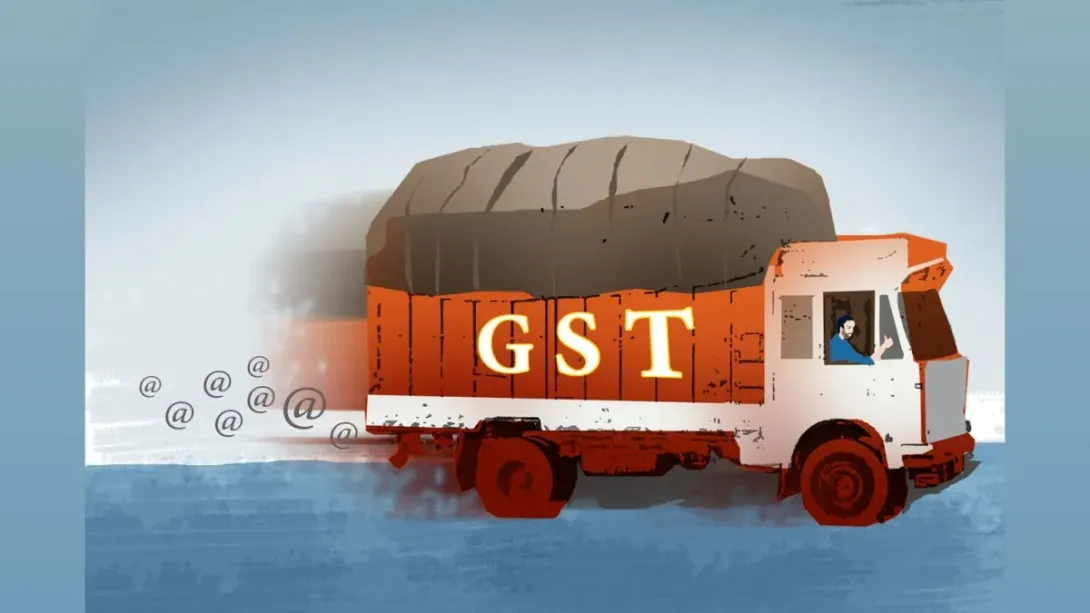
The latest GST Council meeting convened to discuss critical reforms in India’s indirect tax framework, emphasizing rate rationalization, revenue protection measures, and sector-specific support for the textile and distribution segments (TDP). Policymakers examined strategies to streamline tax slabs, address compliance challenges, and mitigate revenue shortfalls amid evolving economic conditions. The discussions also highlighted targeted interventions for vulnerable sectors, balancing fiscal prudence with growth promotion. Analysts suggest that outcomes from the council could reshape the GST landscape, enhance collection efficiency, and provide clarity for businesses navigating complex tax structures, while supporting India’s broader economic objectives.
Focus on Rate Rationalization
A key agenda item was the potential rationalization of GST rates across various goods and services. Council members evaluated the benefits of consolidating tax slabs to simplify compliance and reduce litigation. Such reforms aim to create a more predictable tax environment for businesses, fostering efficiency while maintaining revenue neutrality. Officials stressed that any changes would be implemented gradually to minimize disruption across industries, particularly for MSMEs that form the backbone of India’s manufacturing and distribution ecosystem.
Safeguarding Revenue Streams
Amid fluctuating economic activity, the council discussed measures to protect government revenue. Proposals included tightening compliance monitoring, enhancing technology-driven enforcement, and revisiting exemption thresholds. The objective is to ensure that GST collections remain robust, enabling sustained funding for public services while minimizing leakages. Analysts note that a stronger revenue base can support fiscal stability and allow the government to maintain developmental spending without increasing deficits.
Support for TDP and Strategic Sectors
The council also considered targeted support for the Textile and Distribution sectors (TDP), which have faced pricing pressures and compliance complexities. Proposals included temporary relief measures, input credit streamlining, and sector-specific notifications to reduce compliance burden. Such interventions are aimed at sustaining industrial competitiveness, safeguarding employment, and encouraging investment in strategic segments that contribute significantly to exports and domestic supply chains.
Implications for Businesses and Policy
Experts believe that the GST Council’s deliberations could lead to a more business-friendly indirect tax regime. By balancing simplification, revenue assurance, and sectoral support, the government aims to improve compliance rates, reduce administrative costs, and enhance transparency. Investors and enterprises are closely monitoring these developments, as regulatory clarity is expected to influence investment decisions, supply chain planning, and pricing strategies across multiple industries.
Comments