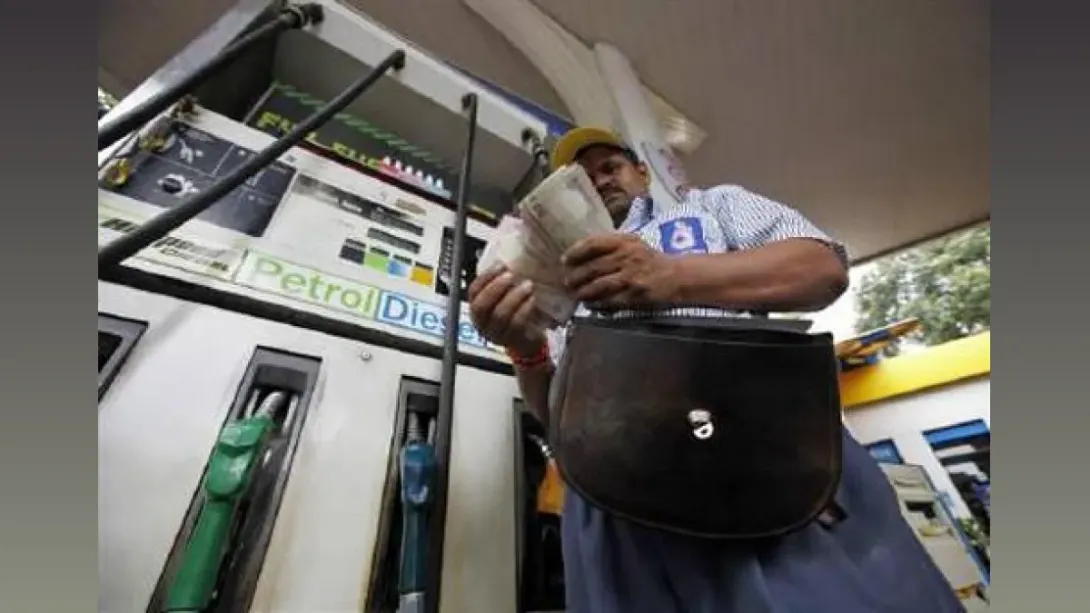
Pakistan has sharply increased petrol and diesel prices by PKR 55 per litre, marking the largest single hike in the country’s history. The decision comes amid mounting global energy uncertainty triggered by geopolitical tensions in the Middle East. Government officials announced the move during a late-night press briefing, assuring citizens that national fuel reserves remain adequate despite market volatility. The increase pushes petrol and high-speed diesel prices to unprecedented levels, significantly raising transportation and industrial costs. Analysts warn the move could intensify inflationary pressures across Pakistan’s fragile economy while reflecting the broader ripple effects of global energy disruptions.
Record Fuel Price Hike Amid Global Energy Shock
Pakistan has announced an unprecedented increase in domestic fuel prices, raising both petrol and high-speed diesel by PKR 55 per litre. The decision, described by officials as a necessary response to global energy volatility, marks the steepest single fuel price hike in the country’s history.
Following the revision, the ex-depot price of petrol has surged to PKR 321.17 per litre, up from PKR 266.17. Meanwhile, high-speed diesel now costs PKR 335.86 per litre compared with the earlier price of PKR 280.86 per litre. The increases represent jumps of roughly 17 percent for petrol and nearly 20 percent for diesel within a single pricing cycle.
Senior members of the government announced the decision during a late-night press conference in Islamabad, framing it as a difficult but unavoidable step in response to external economic shocks.
Geopolitical Turmoil Drives Energy Costs Higher
The steep price revision comes against the backdrop of escalating tensions in the Middle East, which have disrupted global energy markets and triggered sharp swings in crude oil prices.
Pakistan, which imports the bulk of its petroleum requirements, remains highly vulnerable to such external shocks. Rising global crude prices quickly translate into higher domestic fuel costs, particularly for economies with limited foreign exchange reserves and heavy reliance on imported energy.
Officials indicated that the decision was driven primarily by the surge in international oil benchmarks and the depreciation pressure on the local currency, both of which have significantly raised the landed cost of petroleum products.
Government Assures Adequate Fuel Supplies
While acknowledging the economic burden of the price hike, government representatives sought to reassure the public about fuel availability. Authorities stated that Pakistan currently holds sufficient petroleum reserves to meet near-term demand despite the turbulence in global energy markets.
Energy officials emphasized that the price revision was necessary to maintain supply stability and prevent shortages that could disrupt transportation, logistics and industrial activity.
Maintaining uninterrupted fuel availability has become a key priority for policymakers as Pakistan navigates a period of economic fragility and external financial pressures.
Inflationary Pressures Likely to Intensify
Economists warn that the sharp increase in fuel prices could have widespread ripple effects across the Pakistani economy. Higher fuel costs typically feed directly into transportation expenses, manufacturing input prices and food supply chains.
As a result, the price hike is expected to push inflation higher in the coming months, placing additional pressure on households already grappling with rising living costs.
Diesel price increases are particularly consequential for Pakistan’s economy because the fuel is widely used in agriculture, freight transport and power generation. Any significant rise in diesel costs tends to amplify price pressures across multiple sectors.
Broader Economic Implications
The fuel price adjustment underscores Pakistan’s structural vulnerability to external commodity shocks. Heavy dependence on imported energy leaves the country exposed to fluctuations in global oil markets and geopolitical developments beyond its control.
Policy experts note that repeated fuel price shocks highlight the urgency of accelerating investments in domestic energy production, renewable resources and energy efficiency. Diversifying the energy mix could help reduce the economic impact of global oil volatility over the long term.
For now, however, the immediate challenge for policymakers lies in balancing fiscal stability, energy supply security and public affordability as global market uncertainties continue to shape domestic economic decisions.
Comments