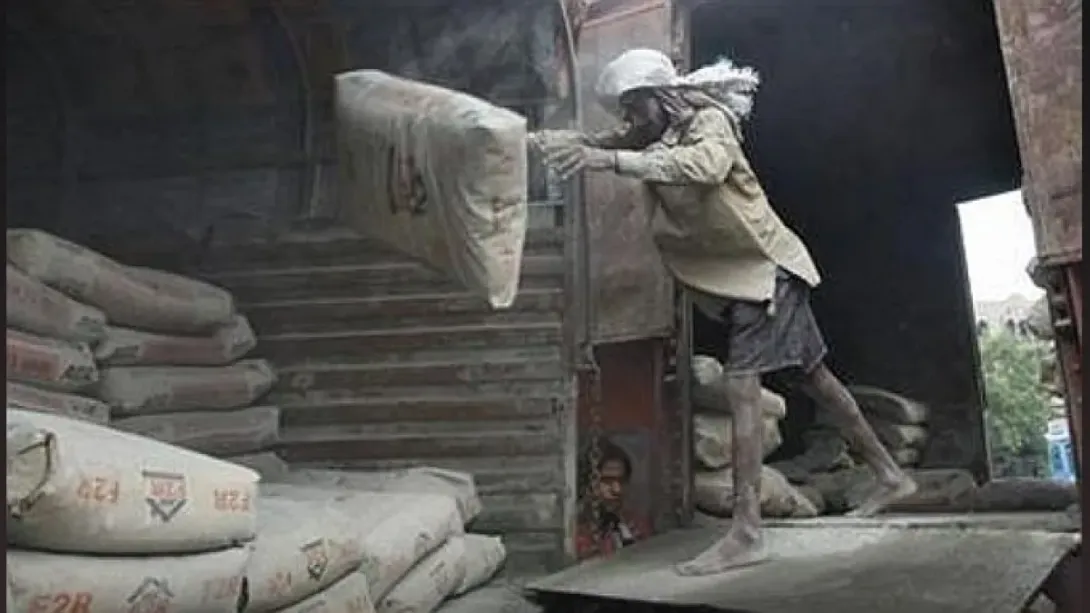
Vedanta Ltd. has successfully outbid the Adani Group to acquire Jaiprakash Associates Ltd. (JAL) in a transaction valued at Rs. 17,000 crore. The deal, one of the largest in recent memory within India’s infrastructure and natural resources sectors, marks a pivotal victory for Vedanta in a competitive landscape dominated by conglomerates vying for scale and diversification. The acquisition is expected to strengthen Vedanta’s foothold in the cement and construction materials market, while also reflecting the growing intensity of corporate rivalries shaping India’s industrial ecosystem.
A High-Stakes Contest
The bidding battle between Vedanta and the Adani Group underscored the strategic value of JAL’s assets, which include cement plants, power projects, and extensive land holdings. For Vedanta, clinching the deal not only adds substantial capacity in a capital-intensive industry but also signals its ambition to diversify beyond its core mining and metals businesses.
Industry insiders note that JAL’s assets, once burdened with debt, have become attractive targets in a market where infrastructure development is accelerating under government-led capital expenditure programs. The transaction highlights how financially robust players are capitalizing on opportunities to acquire stressed but strategically valuable assets.
Implications for Vedanta
By securing JAL, Vedanta strengthens its vertical integration across sectors such as cement, power, and real estate, positioning itself as a more diversified conglomerate. The acquisition also provides synergies with its existing portfolio in energy and natural resources, potentially reducing input costs while opening avenues for downstream growth.
For Vedanta’s balance sheet, the Rs. 17,000 crore deal represents a bold bet. While the acquisition will require careful financial management, analysts suggest the move could unlock long-term value by aligning Vedanta with India’s ongoing infrastructure boom, which is projected to drive demand for cement and related materials.
Adani’s Missed Opportunity
For the Adani Group, the outcome reflects a rare setback in its otherwise aggressive expansion strategy. Over the past decade, Adani has diversified rapidly into energy, ports, airports, and cement, positioning itself as one of India’s most influential conglomerates. Missing out on JAL slows its immediate plans to expand cement capacity, though industry observers expect the group to continue pursuing acquisitions in the sector.
The contest between Vedanta and Adani also symbolizes a broader trend in corporate India: a race among large conglomerates to secure strategic assets in sectors aligned with India’s growth trajectory.
Broader Industry Context
The acquisition comes at a time when India’s cement industry is witnessing consolidation. With rising demand from housing, infrastructure, and industrial projects, established players are aggressively expanding capacity through both organic growth and acquisitions. The entry of deep-pocketed conglomerates like Vedanta intensifies competition, likely leading to further consolidation in the coming years.
At the same time, the deal signals renewed investor confidence in distressed-asset acquisitions, reflecting improved regulatory frameworks and stronger mechanisms for resolving corporate debt.
Conclusion
Vedanta’s Rs. 17,000 crore acquisition of Jaiprakash Associates Ltd. represents a defining moment for both the company and India’s industrial landscape. By edging out the Adani Group, Vedanta not only secures valuable assets but also asserts its position as a formidable player in the cement and infrastructure sectors. While the financial risks are substantial, the strategic gains could prove transformative, placing Vedanta at the center of India’s infrastructure-driven growth story.
Comments