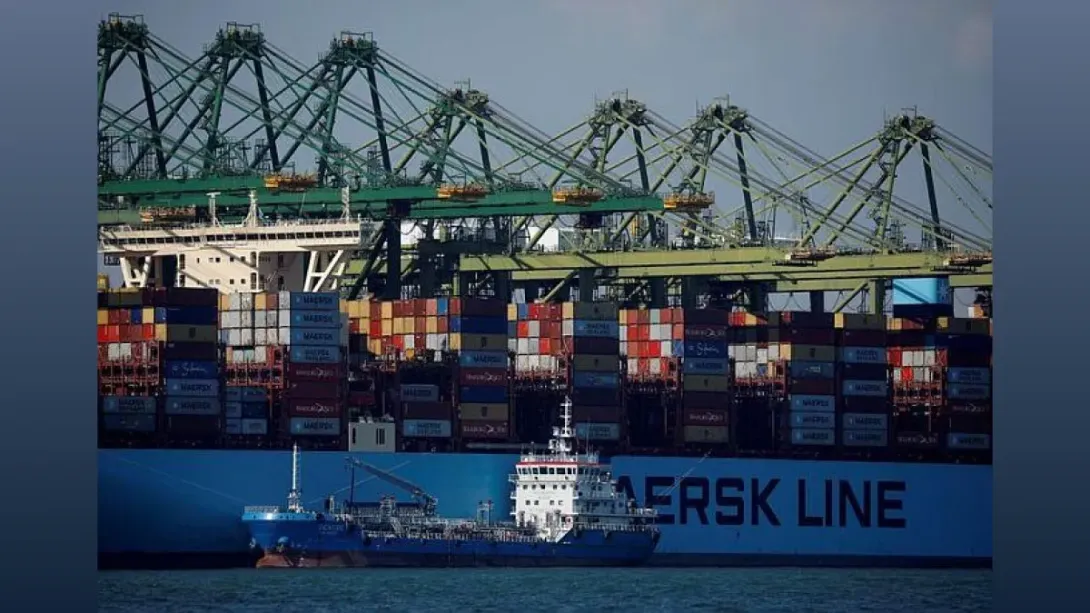
India Maritime Week 2025 marked a transformative milestone for the nation’s shipping and port ecosystem, with memorandums of understanding (MoUs) worth Rs 12 lakh crore signed across multiple sectors, including port modernization, logistics, shipbuilding, and renewable energy integration. The event underscored India’s commitment to advancing its blue economy, improving maritime infrastructure, and enhancing global trade competitiveness. Government officials, industry leaders, and international delegates hailed the developments as pivotal to India’s emergence as a leading maritime power in the Indo-Pacific, aligning with the country’s long-term vision for sustainable coastal and economic development.
Maritime Modernization Gains Momentum
India Maritime Week served as a comprehensive platform for showcasing the country’s maritime ambitions. The Rs 12 lakh crore worth of agreements spanned port expansion projects, green port initiatives, coastal shipping routes, and digital logistics systems designed to strengthen the nation’s maritime value chain.
Officials from the Ministry of Ports, Shipping and Waterways highlighted that these investments will significantly enhance India’s cargo-handling capacity, reduce turnaround time, and improve global supply chain connectivity. The push aligns with the government’s Maritime India Vision 2030, which aims to modernize over 150 ports and develop coastal economic zones to drive industrial growth.
Focus on Green and Sustainable Port Development
A key theme at the event was sustainability. Several MoUs were dedicated to green energy transitions, including the use of hydrogen and LNG-based fuel systems, offshore wind energy, and electrification of port operations. The goal is to reduce carbon emissions from India’s maritime sector by at least 30 percent by 2030, in line with global environmental targets.
Private players and global investors showed growing interest in eco-friendly maritime infrastructure, signaling confidence in India’s potential to balance industrial expansion with environmental stewardship.
Boosting Shipbuilding, Logistics, and Inland Waterways
The event also emphasized strengthening shipbuilding capacity and maritime logistics. Agreements were signed for the construction of new dry docks, advanced repair facilities, and domestic shipbuilding yards, aimed at reducing India’s dependence on foreign ship manufacturers.
Moreover, investments are being channeled into developing inland waterways to facilitate cost-efficient, low-carbon cargo movement. The Sagarmala and Jal Marg Vikas programs are expected to benefit from these partnerships, improving connectivity between coastal and hinterland regions.
Driving India’s Global Maritime Competitiveness
With India handling nearly 95 percent of its trade volume through maritime routes, the sector remains a strategic pillar of economic resilience. The record-breaking MoUs signal growing investor confidence and the government’s resolve to position India as a logistics and shipping hub in the Indo-Pacific corridor.
Experts at the event noted that India’s focus on digital port management, automation, and integrated logistics platforms will enhance efficiency and make Indian ports globally competitive. These developments are also expected to create millions of direct and indirect jobs, stimulating regional economies and contributing to national GDP growth.
Conclusion: Charting a Course Toward a Blue Economy Future
India Maritime Week 2025 reaffirmed the nation’s maritime ambitions, combining infrastructure expansion with innovation and sustainability. The Rs 12 lakh crore investment framework signals not just a commitment to economic growth, but also to ecological balance and technological transformation in the sector.
Comments