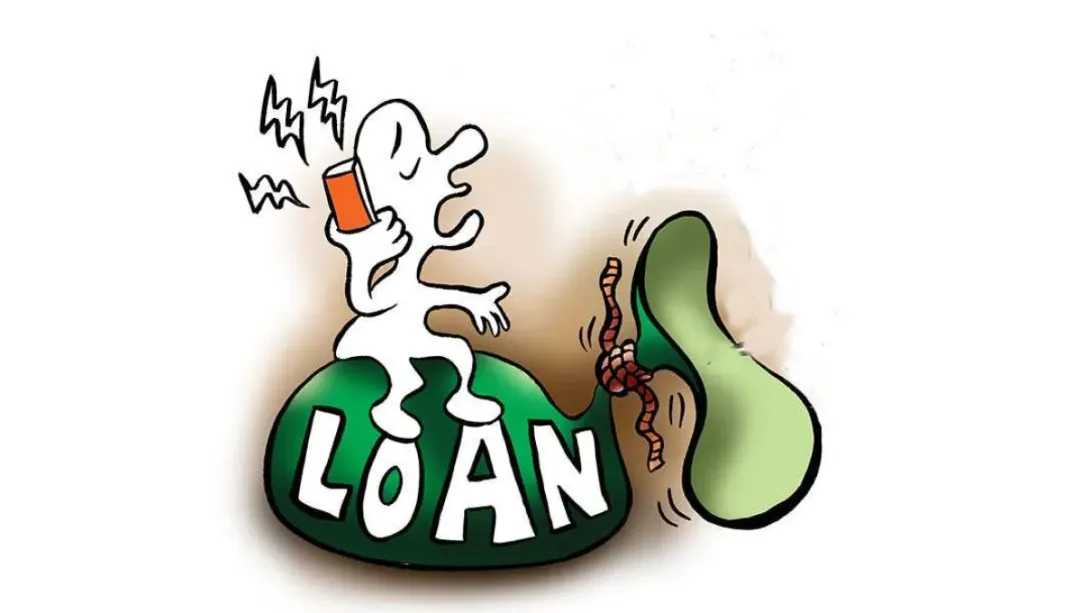
Bank credit in India has grown 14.4% year-on-year, maintaining a robust double-digit expansion trajectory that reflects resilient economic activity and sustained demand for capital. The increase signals healthy lending across retail, corporate and small-business segments, even as financial institutions navigate liquidity conditions and regulatory oversight. Analysts interpret the growth as a sign of strengthening investment appetite and consumer confidence. However, the pace of credit expansion also necessitates vigilant risk management to prevent asset-quality deterioration. The sustained momentum underscores the banking sector’s central role in financing India’s growth ambitions while balancing prudential discipline.
Strong Lending Momentum Across Segments
Reserve Bank of India data indicates that aggregate non-food bank credit expanded by 14.4% compared with the same period last year. The sustained double-digit growth highlights continued appetite for borrowing among households and businesses.
Retail loans, including housing and personal finance, remain key contributors. Corporate lending has also shown gradual revival, reflecting renewed capital expenditure plans and infrastructure investments. Credit to micro, small and medium enterprises continues to be a critical driver, supported by policy facilitation and improving economic sentiment.
Retail and Corporate Demand Trends
Retail credit growth has been buoyed by rising urban consumption and increased housing demand. Financial institutions have leveraged digital onboarding and data-driven underwriting models to scale lending operations efficiently.
Corporate credit expansion, while measured, reflects improving balance sheets and capacity utilization levels. As industries pursue modernization, automation and supply-chain diversification, demand for working capital and project financing has strengthened.
The balanced contribution from retail and corporate segments reduces concentration risk and enhances the overall resilience of the credit ecosystem.
Liquidity Conditions and Interest Rate Environment
The current lending growth comes amid evolving liquidity dynamics and interest rate considerations. While monetary conditions remain calibrated, banks have adjusted deposit mobilization strategies to sustain funding adequacy.
A 14.4% expansion rate indicates confidence but also places emphasis on maintaining healthy credit-deposit ratios. Financial institutions are increasingly focused on pricing discipline and cost-of-funds management to preserve net interest margins.
Asset Quality and Prudential Oversight
Rapid credit growth, if unchecked, can create asset-quality pressures. However, the banking sector’s balance sheets are considerably stronger than in previous credit cycles. Capital adequacy ratios remain comfortable, and non-performing asset levels have moderated in recent years.
Regulatory oversight continues to emphasize stress testing, sectoral exposure limits and governance standards. The Reserve Bank of India’s supervisory framework aims to ensure that growth does not outpace risk controls.
Economic Implications and Outlook
Sustained double-digit credit expansion is often associated with economic acceleration. Increased borrowing supports investment, job creation and consumption — all key components of GDP growth.
Looking ahead, the durability of the 14.4% trajectory will depend on macroeconomic stability, inflation trends and global financial conditions. If lending discipline remains intact, the current cycle could mark a structurally healthier phase of credit-led growth.
Conclusion
India’s banking system continues to demonstrate lending momentum, with credit growth at 14.4% reinforcing confidence in economic fundamentals. The sustained expansion reflects both consumer optimism and corporate revival.
Yet, the long-term sustainability of this trajectory hinges on balanced underwriting standards and prudent risk governance. In a rapidly evolving financial landscape, disciplined growth — rather than aggressive expansion — will define the strength of this credit cycle.
Comments