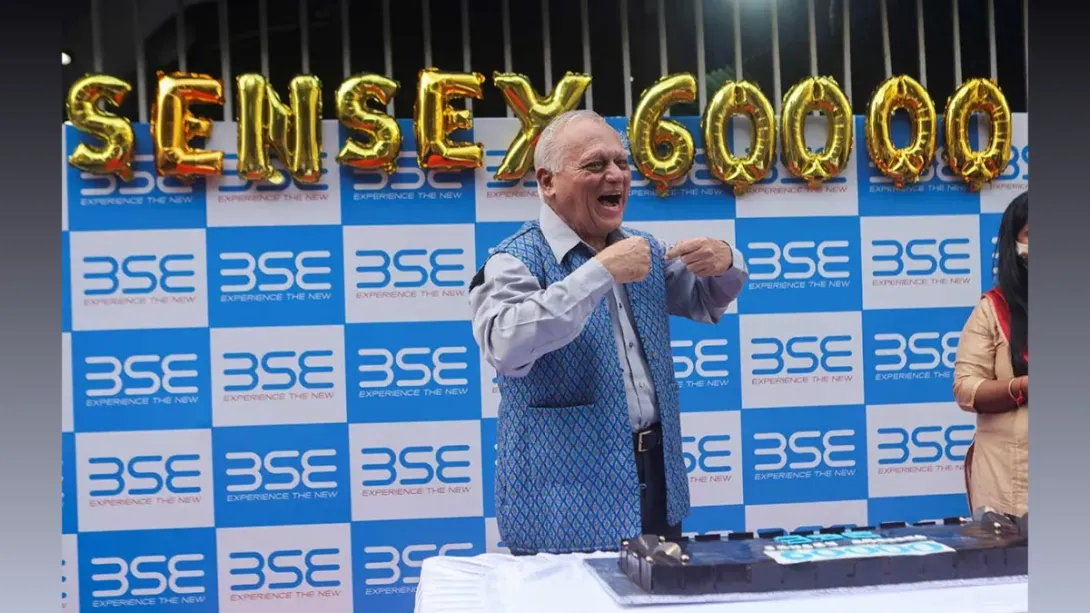
India’s equity markets bounced back strongly, with benchmark indices reversing recent losses amid improved global cues and renewed domestic buying interest. The Sensex and Nifty 50 advanced in tandem, supported by gains in banking, metals and select technology stocks. Investors appeared encouraged by easing volatility, stable macro indicators and selective value buying after the recent correction. While near-term sentiment remains cautious, the rebound suggests that markets are attempting to consolidate rather than extend their decline, setting the stage for a more measured and stock-specific phase of trading.
Benchmark Indices Lead the Recovery
The Indian stock market opened on a firm note and steadily strengthened through the session, with the Sensex climbing sharply and the Nifty reclaiming key psychological levels. The recovery marked a pause in the selling pressure seen in previous sessions, as investors selectively accumulated large-cap stocks.
Market participants pointed to supportive global signals and reduced risk aversion as key drivers of the rebound. Short-covering in heavyweight stocks also contributed to the upward momentum, helping indices close near the day’s highs.
Sectoral Performance: Banks and Metals in Focus
Gains were broad-based, though leadership came from banking and financial stocks, which benefited from bargain hunting after recent underperformance. Metal stocks also moved higher, tracking firm international commodity prices and expectations of sustained infrastructure demand.
Technology shares delivered a mixed performance, reflecting caution over global growth outlooks, while defensive sectors such as FMCG and pharmaceuticals showed modest gains, indicating a balanced risk approach among investors.
Market Sentiment and Investor Behavior
The rebound reflects a shift from panic-driven selling to measured accumulation, particularly in fundamentally strong names. Analysts noted that institutional investors appeared less aggressive on the sell side, providing stability to the broader market.
Retail participation remained steady, though investors continued to favor large-cap and high-liquidity stocks over mid- and small-cap counters, where volatility remains elevated.
Global Cues and Domestic Factors
Positive signals from overseas markets, including softer bond yields and stable currency movements, helped improve sentiment at home. Domestically, expectations of steady economic growth and controlled inflation provided additional comfort, even as investors remained alert to global macro risks.
The absence of negative policy surprises also contributed to the market’s ability to recover lost ground.
Technical View: Consolidation Likely
From a technical perspective, the recovery in the Sensex and Nifty suggests near-term consolidation rather than a decisive trend reversal. Key resistance levels remain overhead, and sustained buying will be required for the indices to move meaningfully higher.
Market strategists advise investors to focus on stock-specific opportunities, emphasizing quality balance sheets and earnings visibility over short-term momentum.
Conclusion
The rebound in India’s equity markets underscores the resilience of domestic fundamentals, even amid a challenging global backdrop. While the recovery has eased immediate concerns, volatility is unlikely to disappear entirely. For investors, the current phase calls for discipline, selective exposure and a long-term perspective, as the Sensex and Nifty attempt to build a more durable base for future gains.
Comments