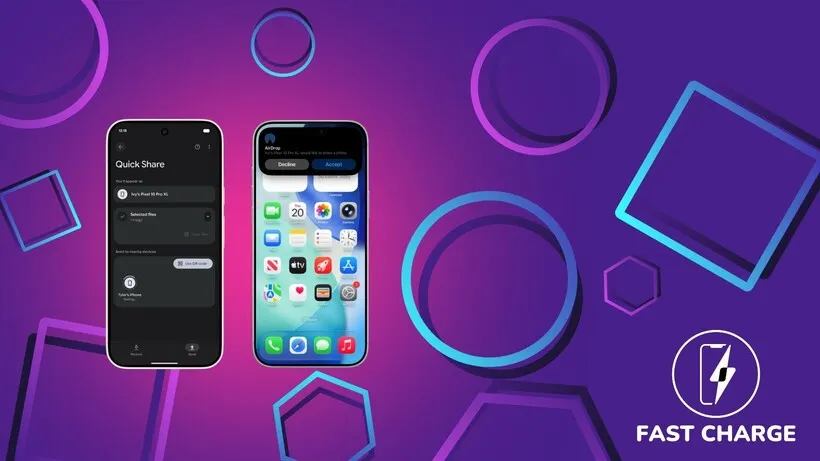
Google’s latest update to the Pixel 10 series marks a pivotal shift in cross-platform connectivity, as the devices now support a feature compatible with Apple’s AirDrop-style sharing. The enhancement enables seamless, high-speed file transfers between Android and other supported ecosystems, reducing long-standing barriers that once divided the two dominant mobile platforms. With improved proximity detection, secure transfer protocols, and faster data exchange, the new capability strengthens the Pixel 10’s appeal for both professional and personal users. This development reflects Google’s broader strategy to promote interoperability and elevate the user experience across a rapidly converging digital environment.
Google Expands Cross-Platform Sharing Capabilities
In a move that underscores its commitment to open connectivity, Google has enabled the Pixel 10 phones to use an AirDrop-like file-sharing feature, allowing the devices to exchange photos, documents, and media with unprecedented ease. The update marks one of the most impactful advancements for Pixel users seeking frictionless communication across diverse platforms.
The feature supports quick, cable-free transfers, relying on a secure combination of Bluetooth, Wi-Fi Direct, and device-to-device authentication.
A Strategic Push Toward Interoperability
By adopting an approach familiar to Apple’s AirDrop ecosystem, Google signals a strategic pivot toward minimizing ecosystem lock-in. For years, file sharing between mobile platforms has been one of the most glaring pain points for users. With this update, the Pixel 10 becomes a more attractive choice for households, workplaces, and collaboration environments where different operating systems coexist.
Google’s interoperability initiative reflects broader technology trends, as consumers increasingly demand flexible systems that work together—not in isolation.
Enhanced Speed, Stability, and Security
Beyond convenience, the sharing tool delivers notable performance upgrades. Transfer speeds have been improved significantly, allowing large files—videos, high-resolution images, and app data—to be shared in seconds. Enhanced proximity sensing ensures that the correct devices are identified instantly, while advanced encryption safeguards transfers from unauthorized interception.
These improvements support productivity-driven use cases, particularly among professionals accustomed to frequent content exchange between mobile devices.
Impact on the Android Ecosystem
The Pixel 10’s new capability positions Google more competitively in the premium smartphone segment. Previously, AirDrop’s ease of use was a defining advantage for Apple devices. Google’s implementation narrows this gap, potentially influencing users who value cross-device collaboration.
Additionally, the update hints at a broader rollout across future Android devices, potentially establishing a universal standard for direct file transfers across brands.
Consumer Benefits and Future Outlook
Consumers stand to gain significantly from this development—especially those who navigate mixed-device environments at home or work. The ability to share files seamlessly elevates day-to-day efficiency and enhances the Pixel 10’s utility as both a productivity tool and a personal device.
Industry analysts expect Google to continue refining the feature, integrating AI-driven discovery, automated file organization, and eventually deeper integration with cloud services. As the digital world moves toward device-agnostic communication, Google’s latest step signals its readiness to lead that transformation.
Comments