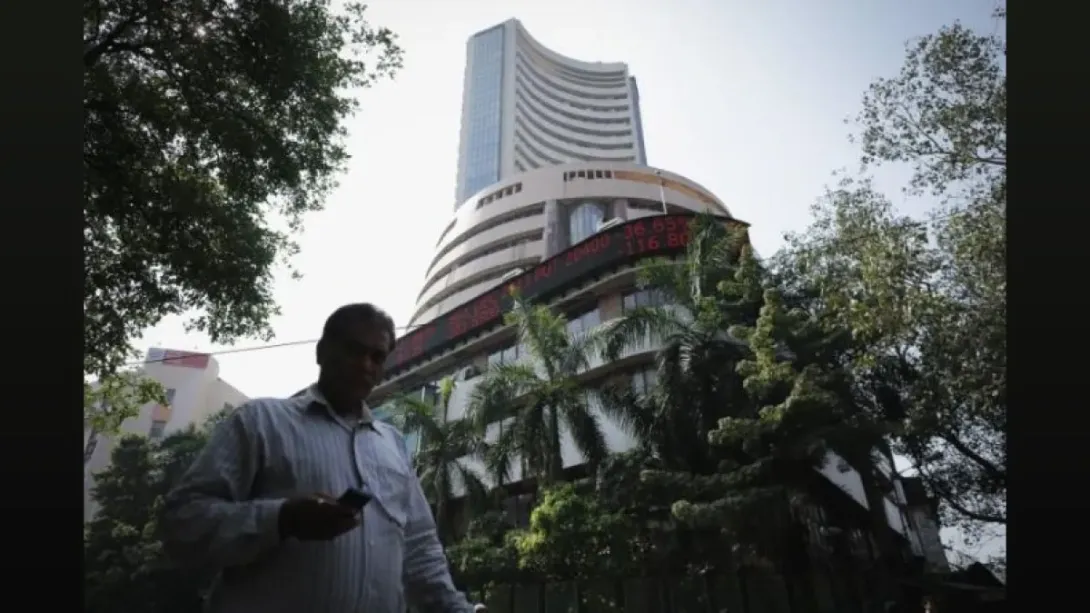
India’s equity markets staged a strong rally after the Reserve Bank of India announced a benchmark interest rate cut, signalling a shift toward a more accommodative monetary stance. Investors responded with renewed optimism as lower borrowing costs are expected to boost corporate profitability, stimulate credit demand, and support economic momentum. Banking, real estate, and auto stocks led the uptrend, reflecting sectors that typically benefit the most from softer lending rates. The policy move, aimed at reinforcing growth amid easing inflationary pressures, strengthened market sentiment and encouraged foreign portfolio inflows. Analysts believe the rally may sustain if macroeconomic indicators continue aligning with the RBI’s outlook.
RBI’s Policy Shift Ignites Investor Confidence
The Reserve Bank of India’s decision to reduce its benchmark policy rate marked a pivotal moment for markets that had been waiting for clearer signals on future monetary direction. With inflation gradually moderating and liquidity conditions improving, the central bank opted for a measured rate cut to stimulate borrowing and revive consumption.
Equity markets reacted instantly, with major indices opening higher and gaining momentum throughout the session. Market participants viewed the move as a proactive step aimed at supporting economic expansion without compromising financial stability.
Banking and Financial Stocks Lead the Upswing
Banking and NBFC stocks surged as investors priced in the potential for increased credit growth. Lower interest rates typically reduce funding costs for lenders, improving their net interest margins and boosting loan demand across retail and corporate segments.
Shares of leading private-sector banks posted notable gains, while public-sector lenders also advanced on expectations of higher credit offtake. Analysts noted that the rate cut could help ease pressure on interest-sensitive sectors that have experienced slower momentum in recent months.
Real Estate and Auto Sectors Gain Fresh Momentum
The real estate sector welcomed the rate cut as lower home-loan EMIs are expected to strengthen demand for residential properties. Developers anticipate faster inventory absorption as prospective homebuyers revisit delayed purchase decisions.
Similarly, auto manufacturers saw an uptick in investor interest. Reduced lending rates make vehicle financing more affordable, potentially driving sales in both the passenger and commercial segments. Market experts believe that sustained cost reductions for consumers may support the sector’s long-term recovery trajectory.
Foreign Investors Return as Risk Appetite Improves
A more supportive monetary stance helped attract foreign portfolio inflows, especially into equity markets. Global investors view India as a resilient growth story, and a rate cut enhances the country’s appeal by improving liquidity conditions and economic predictability.
The rupee stabilized following the announcement, supported by improved sentiment and expectations of stronger economic fundamentals. Market strategists anticipate that foreign participation may deepen further if subsequent economic data validates the RBI’s growth projections.
Outlook: A Sustainable Rally or a Short-Term Reaction?
While the market’s immediate response was highly positive, analysts caution that the durability of the rally will depend on evolving macroeconomic indicators. Inflation trends, global interest-rate movements, and corporate earnings will play a critical role in determining whether the uptrend continues.
Still, the RBI’s policy shift has clearly injected fresh optimism into the financial markets. By lowering borrowing costs and reinforcing confidence in the economic outlook, the rate cut sets the stage for renewed corporate activity and investment momentum across key sectors.
Comments