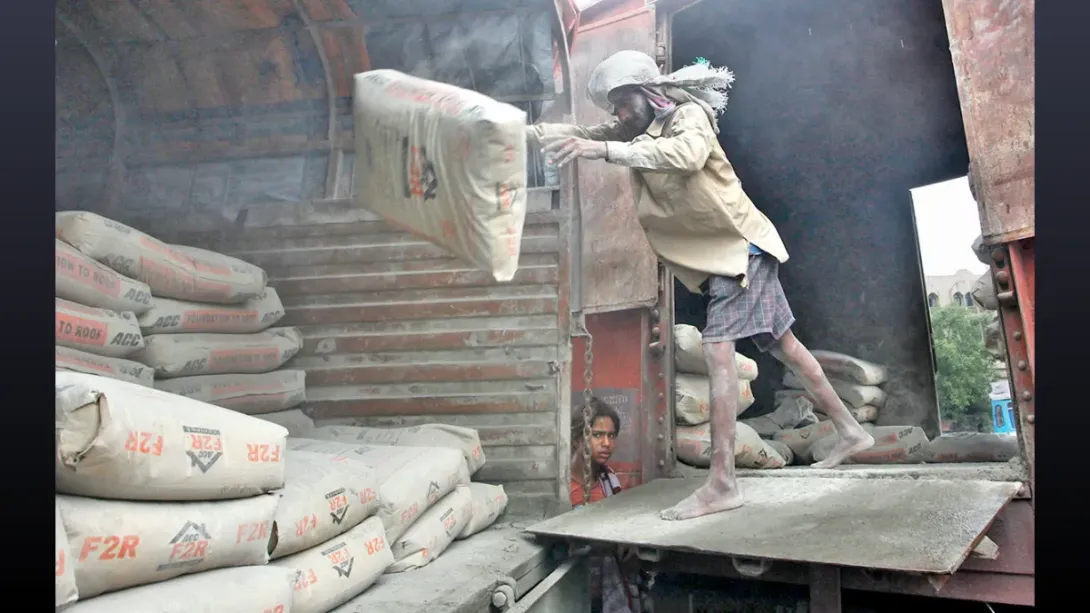
India’s cement industry is projected to maintain a healthy growth trajectory through FY27, supported by sustained infrastructure spending, housing demand, and gradual recovery in private capital expenditure. Industry volumes are expected to expand at a moderate but consistent pace, reflecting stable demand from roads, urban development, and real estate projects. While input cost volatility and pricing discipline remain key watch points, balance sheets across major cement producers have strengthened, enabling capacity additions and operational efficiencies. The outlook suggests a phase of consolidation-led growth, with scale, cost control, and regional diversification emerging as critical differentiators in the years ahead.
Demand Drivers Anchor Medium-Term Growth
The Indian cement sector continues to benefit from structural demand drivers that extend well beyond short-term economic cycles. Public investment in infrastructure—particularly highways, rail corridors, ports, and urban redevelopment—remains the backbone of cement consumption. At the same time, steady momentum in housing, especially affordable and mid-income segments, is reinforcing baseline demand.
Rural housing initiatives and incremental improvement in private construction activity are also expected to contribute to volume growth, providing a diversified demand base across regions.
Capacity Expansion and Industry Consolidation
Capacity additions are likely to proceed in a calibrated manner through FY27, with leading producers prioritising brownfield expansions and efficiency-driven upgrades over aggressive greenfield projects. This measured approach reflects lessons from past cycles, where excess capacity weighed on pricing power.
Industry consolidation has further altered competitive dynamics. Larger players now command stronger regional presence, better logistics integration, and enhanced bargaining power for raw materials and fuel. These advantages are expected to support margin stability even in a fluctuating cost environment.
Cost Pressures and Margin Management
Input costs—particularly power, fuel, and freight—remain a critical variable for the sector. While energy prices have shown periodic volatility, cement manufacturers have increasingly relied on alternative fuels, renewable power, and operational optimisation to mitigate cost pressures.
Improved pricing discipline, supported by rational capacity utilisation, is expected to partially offset cost inflation. As a result, operating margins are projected to remain within a stable range, rather than experiencing sharp swings.
Financial Health and Balance Sheet Strength
Over recent years, cement companies have focused on deleveraging and cash flow discipline. Stronger balance sheets have improved resilience, allowing firms to fund expansions internally while maintaining comfortable leverage ratios.
This financial stability also positions the industry to absorb demand fluctuations without resorting to disruptive price competition, a recurring issue in earlier downturns.
Regional Trends and Market Segmentation
Growth prospects are expected to vary across regions, with central and eastern India likely to outpace the national average due to ongoing infrastructure development and lower per capita cement consumption. Southern and western markets, while more mature, are expected to deliver stable volumes supported by urban construction and industrial activity.
Such regional divergence underscores the importance of geographic diversification in sustaining long-term growth.
Risks to the Outlook
Despite the constructive forecast, risks remain. Delays in project execution, extended monsoons, or renewed volatility in fuel costs could temper short-term growth. Additionally, any slowdown in government spending or private investment may impact volume momentum.
However, the industry’s improved cost structure and financial discipline provide a cushion against these uncertainties.
Outlook Through FY27: Measured Growth With Structural Support
Looking ahead to FY27, India’s cement industry appears positioned for steady, sustainable expansion rather than cyclical spikes. Growth is expected to be anchored in infrastructure-led demand, disciplined capacity addition, and stronger corporate balance sheets.
While challenges persist, the sector’s evolution toward scale-driven efficiency and consolidation suggests a more resilient growth phase—one that aligns closely with India’s broader development and urbanisation agenda.
Comments