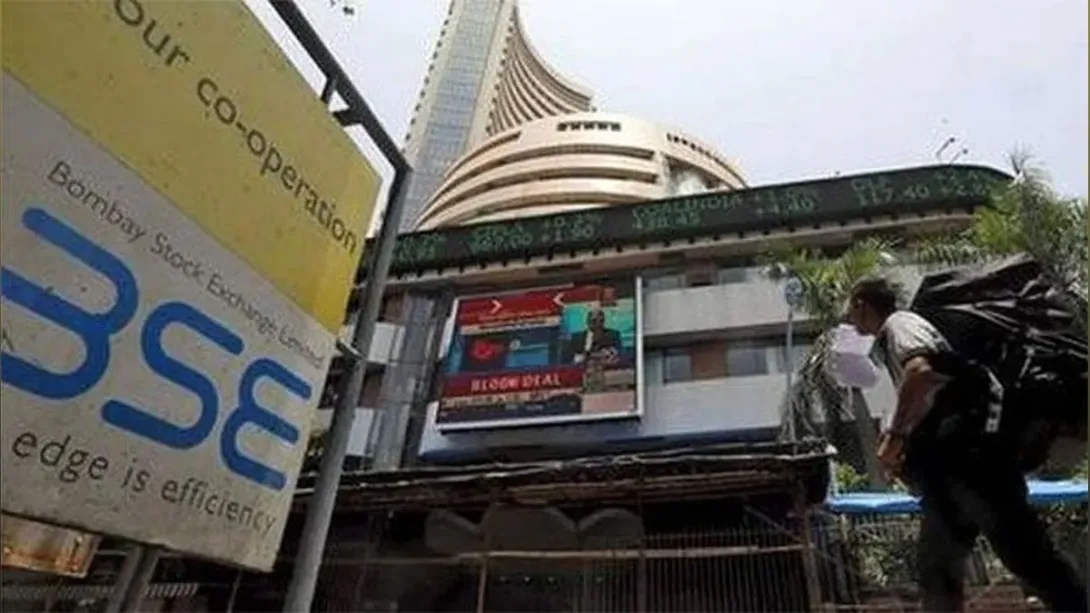
Global equity markets declined sharply as escalating geopolitical tensions rattled investor confidence and triggered a flight to safety. From Asia to Europe and emerging markets, benchmark indices slid amid fears that prolonged political instability could disrupt trade flows, energy supplies and global growth prospects. Investors responded by trimming exposure to risk assets, pushing equities lower while safe-haven instruments such as government bonds and gold gained ground. Analysts warn that volatility may persist as markets grapple with uncertainty around diplomatic outcomes, inflationary pressures and central bank policy. The sell-off underscores how geopolitics has re-emerged as a decisive force shaping financial markets.
Markets React to Rising Global Uncertainty
Stock markets across major regions closed lower as investors digested a fresh wave of geopolitical developments that heightened concerns over economic stability. Tensions involving key global powers and strategic regions have amplified fears of supply-chain disruptions and higher commodity prices, prompting a cautious stance among institutional investors.
Asian markets led the decline, with export-driven economies particularly vulnerable to the prospect of weaker global demand. European equities followed suit, reflecting the continent’s sensitivity to political risk and energy security. Emerging markets also came under pressure as foreign investors reduced exposure to perceived riskier assets.
Sectoral Impact: Risk Assets Bear the Brunt
The sell-off was broad-based, though cyclical sectors such as banking, automobiles and industrials suffered steeper losses. Financial stocks retreated as investors reassessed growth expectations and the potential impact of market volatility on earnings. Technology shares, often sensitive to global sentiment, also edged lower.
In contrast, defensive sectors including utilities and consumer staples showed relative resilience. Gold prices firmed as demand for safe-haven assets increased, while government bond yields softened, signaling a shift toward capital preservation.
Currency and Commodity Movements
Currency markets reflected the prevailing risk-off mood. The U.S. dollar strengthened against several emerging market currencies, increasing pressure on countries with high external financing needs. For import-dependent economies, a stronger dollar raises costs and complicates inflation management.
Oil prices remained volatile as traders weighed the risk of supply disruptions against concerns of slower global growth. Any sustained increase in energy prices could exacerbate inflationary pressures, particularly in developing economies where fuel costs have a direct impact on household budgets and fiscal balances.
Investor Sentiment and Outlook
Market strategists caution that geopolitical risk is notoriously difficult to price, making short-term market direction unpredictable. While some investors view the current correction as a buying opportunity, others prefer to remain on the sidelines until greater clarity emerges.
Analysts emphasize that fundamentals such as corporate earnings, interest rate trajectories and macroeconomic data will ultimately guide market performance. However, as long as geopolitical uncertainties persist, volatility is likely to remain elevated.
For now, the market downturn serves as a reminder that beyond balance sheets and economic indicators, global politics continues to wield significant influence over financial markets.
Comments