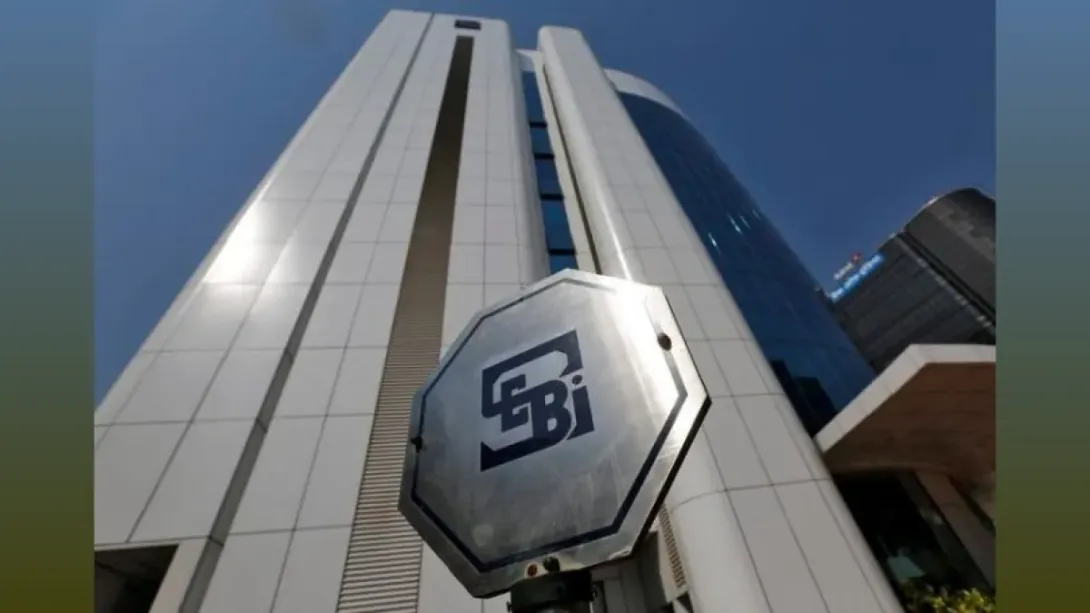
Securities and Exchange Board of India has directed market participants to strengthen disclosure standards related to social media communications, signaling a decisive move toward greater transparency in India’s capital markets. The regulator’s guidance aims to curb misinformation, prevent market manipulation and ensure that investor communications across digital platforms adhere to established compliance frameworks. As financial influencers, corporate executives and listed entities increasingly engage audiences online, SEBI’s intervention underscores the need for accountability and traceability. The directive reflects a broader regulatory recalibration as digital narratives gain the power to influence stock prices and investor sentiment.
Regulatory Push for Digital Transparency
India’s securities markets have witnessed a rapid expansion of digital engagement. Corporate announcements, analyst commentary and promotional content now circulate widely on platforms such as microblogging sites and video-sharing applications.
SEBI’s latest directive emphasizes that any market-sensitive information shared through social media must be consistent with formal stock exchange disclosures. Companies and intermediaries are expected to maintain documentation, monitor communications and prevent selective information dissemination.
The move reinforces the principle that digital platforms cannot serve as informal channels for price-sensitive disclosures.
Addressing the Risk of Market Manipulation
The proliferation of financial commentary online has created both opportunity and risk. While digital platforms democratize information access, they also provide fertile ground for rumor-driven volatility and coordinated stock promotion campaigns.
Regulators globally have grappled with similar challenges, where online narratives trigger abrupt price movements detached from underlying fundamentals.
By mandating clearer disclosure protocols, SEBI seeks to mitigate the potential for pump-and-dump schemes and misleading investment advice. The objective is not to restrict communication, but to align it with established investor protection norms.
Compliance Obligations for Listed Entities and Intermediaries
Under the enhanced framework, listed companies, brokers, investment advisers and research analysts are expected to ensure that their digital communications:
Do not contain unpublished price-sensitive information unless formally disclosed.
Are archived and traceable for regulatory review.
Clearly distinguish between personal opinion and official corporate statements.
Avoid exaggerated performance claims or unverified projections.
This approach places accountability not only on institutions but also on individuals representing them in public forums.
The Role of Financial Influencers
A notable development in India’s investment ecosystem has been the rise of financial influencers, commonly referred to as “finfluencers.” Many command large audiences and shape retail investor behavior.
While such creators contribute to financial literacy, the absence of standardized disclosure norms has occasionally resulted in conflicts of interest and undisclosed promotional arrangements.
SEBI’s intervention suggests a willingness to extend regulatory oversight to emerging digital intermediaries whose content influences market activity.
Implications for Corporate Governance
The directive also strengthens corporate governance standards. Boards and compliance officers may need to revise internal communication policies, train executives on responsible digital engagement and implement monitoring tools.
Failure to adhere to disclosure norms can invite penalties, reputational damage and heightened regulatory scrutiny.
In a market increasingly driven by retail participation, transparency remains the cornerstone of sustainable capital formation.
Global Context and Regulatory Convergence
International securities regulators have similarly tightened rules around digital disclosures, recognizing that information symmetry is critical to fair markets.
India’s regulatory stance reflects convergence with global best practices, balancing innovation with investor protection. As trading volumes rise and digital participation deepens, regulatory clarity becomes indispensable.
Conclusion
SEBI’s call for enhanced social media disclosures marks a significant evolution in India’s securities oversight architecture. In an era where a single post can influence trading volumes and valuations, disciplined communication is essential.
The directive underscores a fundamental truth: technological advancement does not dilute regulatory responsibility. Instead, it amplifies the need for structured transparency.
For corporates, intermediaries and digital commentators alike, the message is clear—credibility in financial markets begins with accountable communication.
Comments