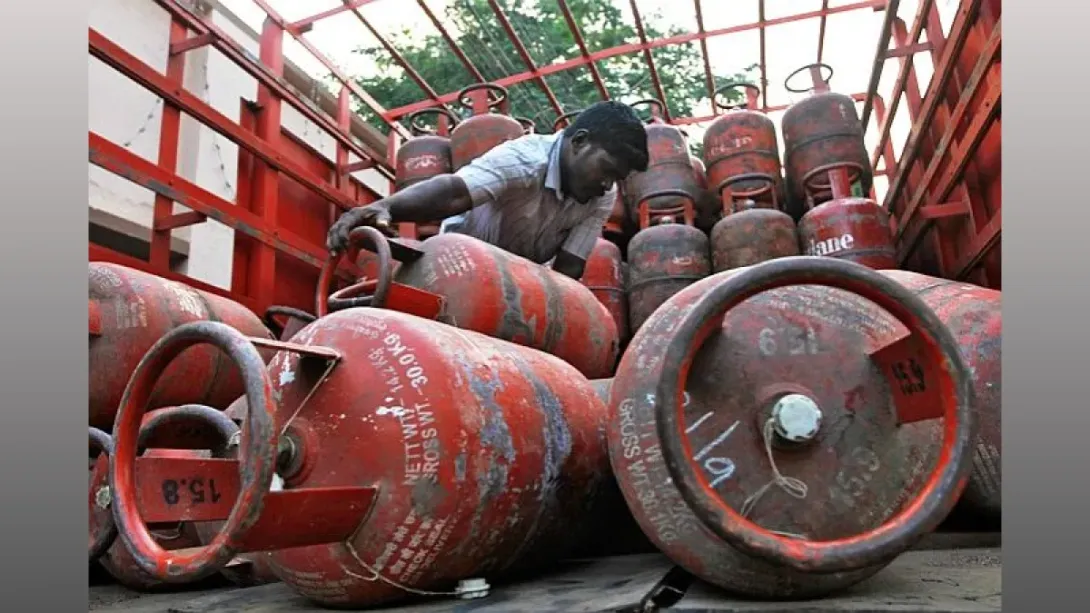
India’s energy sector has taken another step toward consumer empowerment with the rollout of LPG portability, a system that enables households to switch their cooking gas supplier without losing their existing connection. The reform brings greater flexibility and competition into the market, breaking the decades-old model where customers were tied to a single distributor. With Indian Oil, Bharat Petroleum, and Hindustan Petroleum collectively serving more than 300 million connections, this shift is expected to enhance service quality, reduce delivery delays, and create a more transparent and consumer-friendly distribution framework across urban and semi-urban India.
Understanding LPG Portability
LPG portability allows customers to choose their preferred distributor within the same market area, regardless of the oil marketing company they originally registered with. Instead of being locked into one provider, households now have the freedom to switch to a distributor offering better service standards, quicker delivery, or greater convenience.
This policy ensures that consumers are no longer passive recipients of services but active participants in selecting who supplies their daily cooking fuel—a critical shift in a country where LPG is the primary clean energy source for kitchens.
Why It Matters for Consumers
The initiative directly addresses long-standing issues of delayed deliveries, limited distributor choice, and inconsistent customer service. By giving households the ability to move to a supplier with stronger reliability, LPG portability raises the bar for customer satisfaction.
Families living in cities with overlapping distributors stand to benefit the most, as competition among suppliers will likely intensify. Improved efficiency, shorter waiting periods, and more responsive grievance handling are among the expected outcomes of this change.
Market Implications
India has one of the largest LPG consumer bases globally, and reforms of this scale ripple across the energy ecosystem. Portability will likely push distributors to adopt digital tools such as delivery tracking, automated booking, and integrated feedback systems to retain customer loyalty.
From an industry perspective, the reform fosters healthy competition, driving companies to compete not just on price but also on service quality and innovation. Analysts believe this could accelerate modernization in an industry that has long operated on traditional distribution models.
Challenges Ahead
While the system is transformative, its effectiveness will depend on widespread consumer awareness and robust technological integration among oil marketing companies. Rural households, where the number of distributors is often limited, may not experience the same level of choice as urban consumers.
Ensuring smooth coordination across distributors and preventing service overlap or confusion will also be critical. Regulators must closely monitor implementation to guarantee fairness and transparency.
Conclusion
The introduction of LPG portability is more than a convenience—it is a reform that places consumer interest at the heart of India’s energy distribution system. By enabling households to switch suppliers, the initiative is set to elevate service standards, foster competition, and build a more accountable market. For millions of families, it represents not just the freedom of choice, but also a step toward a more reliable and modern energy future.
Comments