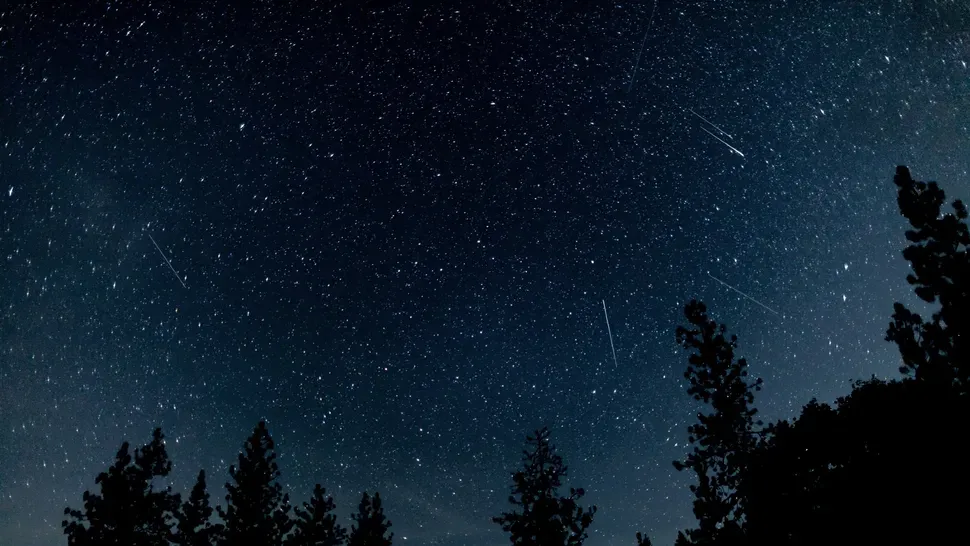
Astronomy enthusiasts are gearing up for the Orionid meteor shower, one of the most anticipated celestial events of the year. Expected to peak in late October 2025, the meteor shower promises high visibility across both hemispheres, offering spectacular skyward displays. Originating from the debris of Halley’s Comet, the Orionids are renowned for their fast-moving, bright meteors, often producing vivid trails. Experts recommend optimal viewing conditions, including minimal light pollution, clear skies, and late-night observation hours. This year, astronomers anticipate up to 20 meteors per hour at peak intensity, making it a significant event for stargazers and scientific observation alike.
Understanding the Orionids
The Orionid meteor shower is an annual phenomenon resulting from Earth’s passage through Halley’s Comet debris stream. Each particle entering the atmosphere burns brightly, producing the streaking meteors that characterize the event. Key characteristics include:
- High velocity: Orionids travel at roughly 66 km/s, making them among the fastest meteors visible from Earth.
- Radiant point: The meteors appear to emanate from the constellation Orion, particularly near its sword and belt region, giving the shower its name.
- Frequency: While peak activity can yield around 20 meteors per hour, observers may spot sporadic meteors outside the peak window.
Optimal Viewing Conditions
To maximize the viewing experience, experts recommend:
- Timing: Best visibility occurs between midnight and dawn, when Orion is highest in the sky.
- Location: Rural areas with low light pollution provide the clearest skies.
- Preparation: Observers should allow eyes to adjust to darkness for at least 20 minutes and bring blankets or reclining chairs for comfort during extended observation.
- Equipment: Although the shower is easily visible to the naked eye, telescopes and binoculars can enhance observation of fainter meteors.
Scientific and Cultural Significance
The Orionid meteor shower is not only a visual spectacle but also holds scientific importance:
- Astronomical research: Observing meteor trajectories aids in understanding cometary debris distribution and atmospheric entry physics.
- Historical records: Indigenous and ancient civilizations have long recorded meteor showers, associating them with mythology, seasonal cycles, and agricultural timing.
- Astrophotography: The Orionids provide prime opportunities for long-exposure photography, capturing intricate celestial trails.
Global Visibility
The 2025 Orionids will be visible across most of the world, with peak intensity favoring the Northern Hemisphere. Southern Hemisphere observers may see fewer meteors due to the orientation of Orion’s radiant. Meteor count can vary due to:
- Weather conditions: Cloud cover, haze, and precipitation reduce visibility.
- Moon phase: Minimal lunar light increases contrast, making meteors more prominent. This year, astronomers report favorable moon conditions, enhancing night sky clarity.
Tips for Enthusiasts and Families
For casual observers and families:
- Dress warmly: Late October nights can be chilly.
- Avoid direct light sources: Streetlights and mobile screens reduce night vision.
- Plan observation sessions: Peak hours may last several nights; checking local astronomical forecasts ensures optimal timing.
- Document the event: Photographers and hobbyists can use long-exposure cameras to capture streaks and multiple meteors in a single frame.
Conclusion
The Orionid meteor shower 2025 presents an extraordinary opportunity for both professional astronomers and casual stargazers to witness one of nature’s most captivating phenomena. Combining scientific relevance with breathtaking visual appeal, this annual event emphasizes the enduring human fascination with the cosmos. With proper planning, viewers can experience a mesmerizing night of shooting stars, further inspiring appreciation for astronomy, celestial mechanics, and the mysteries of our universe.
Comments