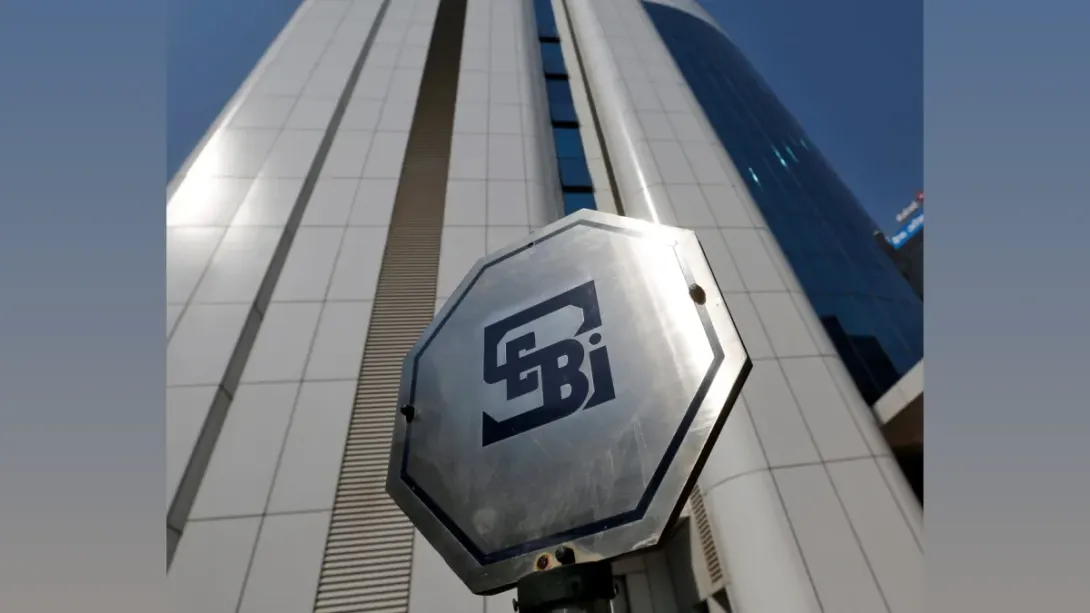
India’s capital markets regulator, the Securities and Exchange Board of India (Sebi), has finalized a front-running investigation with a settlement amounting to Rs. 96 lakh, bringing closure to a prolonged case involving alleged misuse of confidential trading information. The settlement underscores Sebi’s renewed vigilance in combating market misconduct and safeguarding investor interests. It also highlights the regulator’s increasing reliance on settlement mechanisms to ensure faster resolution of disputes without prolonged litigation. As India’s markets deepen and trading volumes expand, the case reiterates the importance of transparency, accountability, and adherence to fair-market principles across all market participants.
Regulator Brings Front-Running Inquiry to a Close
Sebi has approved a settlement totaling Rs. 96 lakh in a case concerning allegations of front-running, a prohibited practice where individuals use privileged trading information to gain unfair market advantage before executing client orders. Front-running not only distorts price discovery but also undermines trust in financial intermediaries. The regulator’s decision to close the matter through a settlement route indicates sufficient compliance from the involved parties with Sebi’s settlement framework.
Understanding the Settlement Mechanism
Under Sebi’s regulations, accused entities may voluntarily opt for settlement by agreeing to monetary or non-monetary terms, provided they cooperate with the investigation and commit to corrective measures. This process helps Sebi resolve cases more efficiently, reduce administrative burden, and maintain market discipline without extended court proceedings. The Rs. 96 lakh settlement demonstrates the regulator’s balanced approach—holding violators accountable while preserving regulatory resources for more complex or systemic cases.
What Front-Running Means for Market Integrity
Front-running remains one of the most serious violations under Indian securities law, as it erodes investor confidence and raises concerns over the ethical standards of intermediaries. Regulators worldwide treat such conduct severely because of its potential to distort market behavior and compromise fair access to information. Sebi’s continued actions in this area reflect a robust framework aimed at protecting retail investors and preserving the credibility of India’s fast-growing markets.
Sebi’s Enhanced Surveillance and Enforcement Focus
In recent years, Sebi has deployed advanced surveillance tools, data analytics, and AI-driven monitoring systems to identify suspicious trading patterns more swiftly. These technological enhancements have substantially increased the regulator’s ability to detect front-running, insider trading, and price manipulation. The swift resolution of this case aligns with Sebi’s broader institutional push toward timely enforcement and deterrence.
Implications for Intermediaries and Market Participants
The settlement serves as a powerful reminder to brokers, fund managers, and other intermediaries about the importance of adopting stringent internal controls and ensuring compliance with ethical standards. Firms are increasingly expected to maintain transparent audit trails, monitor employee trading behavior, and promptly report any irregularities. Non-compliance not only results in financial penalties but also reputational damage that can have long-term consequences.
Conclusion: A Reinforcement of Market Discipline
With the Rs. 96 lakh settlement, Sebi once again signals its zero-tolerance stance on practices that compromise market fairness. The case highlights the regulatory ecosystem’s maturation as India continues positioning itself as a global financial hub. For investors, the swift and decisive closure offers reassurance about Sebi’s commitment to maintaining orderly, transparent, and well-regulated markets.
Comments