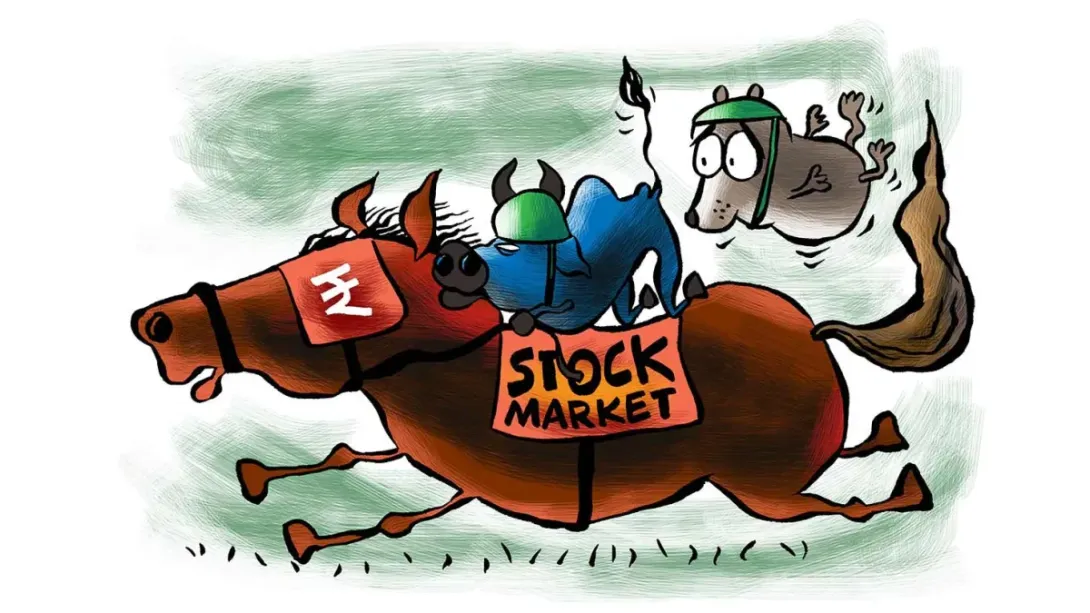
Indian equity markets registered a notable upswing as the Sensex surged 400 points, reflecting renewed investor confidence across key sectors. The rally was fueled by strong global cues, easing inflationary concerns, and steady institutional participation. Gains in banking, IT, and capital goods stocks supported the broader market, while midcap and small-cap indices also mirrored the positive momentum. The rebound comes at a time when investors are closely tracking economic data and monetary policy signals. With improving risk appetite and stabilizing macroeconomic indicators, the latest rally underscores optimism about India’s growth trajectory heading into the final quarter of the financial year.
---
Benchmark Indices Recover With Broad-Based Buying
The Sensex advanced 400 points in Tuesday’s session, marking a strong rebound after a period of volatility. The Nifty 50 also traded firmly in positive territory, supported by consistent buying across large-cap and midcap counters. Analysts noted that the rally was driven by improving global sentiment, particularly after major international markets signaled stability following recent economic data releases.
The uptick was visible across multiple sectors, suggesting healthy market breadth and improved risk appetite among investors.
---
Banking and IT Lead the Upside
Banking stocks were among the biggest contributors to the day’s gains. Private-sector lenders saw substantial traction as investors priced in expectations of stable asset quality and healthier credit growth in the coming quarters. Public-sector banks also participated in the rally, buoyed by strong quarterly performance indicators.
Information technology stocks gained as well, supported by easing concerns around global demand and a slight improvement in outlook for the U.S. and European markets. The combination of these two heavyweight sectors provided a strong foundation for the benchmark indices.
---
Capital Goods and Energy Stocks Show Strength
Capital goods companies witnessed renewed investor interest on the back of sustained demand in manufacturing and infrastructure projects. Increased order inflows and continued government spending on public-sector infrastructure have kept the sector on a growth trajectory.
Energy and power companies also saw steady gains as investors responded positively to firm commodity prices and improving operational efficiencies across the segment. The performance of these sectors contributed significantly to the market’s upward movement.
---
Midcaps and Small Caps Mirror the Rally
Midcap and small-cap indices moved in tandem with the benchmarks, highlighting broad-based participation rather than a narrow, index-driven rush. Select companies in the industrial, consumer, and services categories saw strong buying interest, supported by improved earnings visibility and stronger balance sheets.
Market analysts pointed out that the sustained influx of domestic institutional investment has helped stabilize the broader market after several weeks of intermittent volatility.
---
Global Cues and Domestic Stability Fuel Optimism
Globally, easing inflation numbers and a more balanced tone from major central banks helped improve investor confidence. While uncertainties remain, the overall sentiment has shifted toward cautious optimism.
Domestically, stable macroeconomic indicators, encouraging corporate earnings, and healthy GST collections have supported the narrative of steady economic momentum. With crude oil prices stabilizing and the rupee holding firm, traders viewed the environment as conducive for near-term gains.
---
Outlook: Markets Poised for Measured Growth
While the 400-point rally is a positive sign, experts advise a measured approach. Market participants remain alert to global monetary policy decisions and geopolitical developments that could influence short-term volatility.
Nonetheless, the underlying fundamentals of the Indian economy remain strong. If the current momentum persists, analysts believe the markets could continue to trend upward, supported by robust domestic liquidity, improving corporate profitability, and stable macro conditions.
Comments