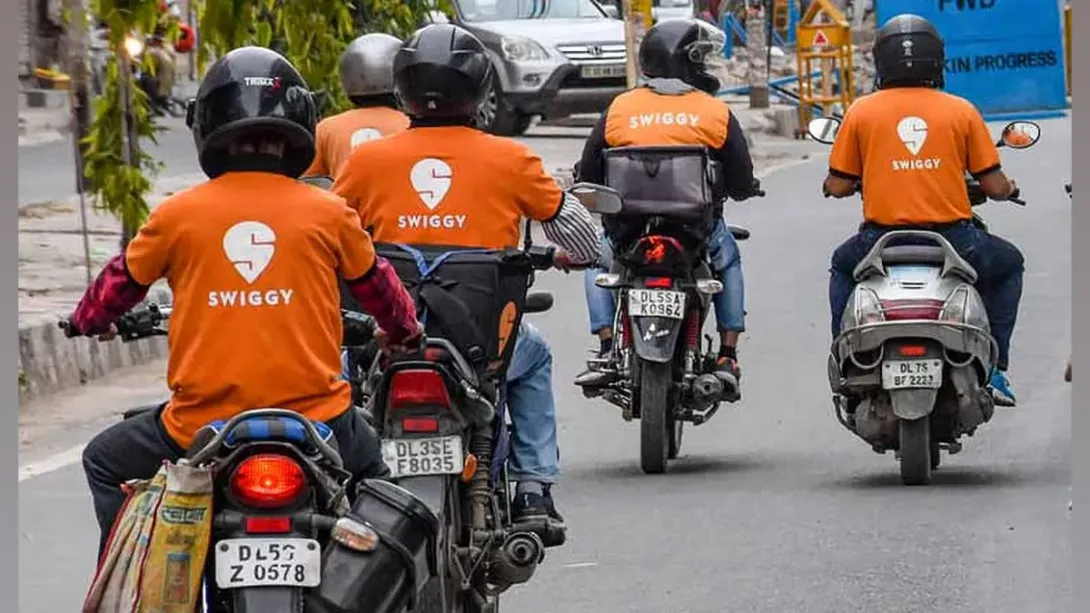
Swiggy, one of India’s leading food delivery and quick-commerce platforms, reported a net loss of Rs 1,092 crore for the second quarter, marking a substantial widening from the previous year. Despite continued revenue growth, the company’s profitability remains under pressure due to escalating marketing expenses, increased competition, and expansion into new business verticals like Instamart. The results reflect the broader challenges confronting India’s food-tech sector, as players balance growth ambitions with the pursuit of sustainable margins. Analysts suggest Swiggy’s losses underscore the cost of maintaining market share in an increasingly crowded digital economy.
Revenue Growth Offset by Rising Expenditure
Swiggy’s latest financial performance indicates strong top-line growth, with revenues rising in double digits compared to the same period last year. However, the company’s aggressive investments in customer acquisition, logistics infrastructure, and quick-commerce expansion have offset revenue gains, leading to a widening net loss of Rs 1,092 crore.
The rise in operational costs—spanning delivery partner incentives, advertising, and technology development—has strained the company’s margins. With growing competition from Zomato and Dunzo, Swiggy has been forced to sustain deep discounts and loyalty programs to retain market share, impacting profitability in the short term.
Instamart Expansion and Quick-Commerce Push
A major contributor to Swiggy’s cost burden has been the rapid scaling of its quick-commerce business, Instamart, which delivers groceries and essentials within minutes. While Instamart has demonstrated strong order volume growth and customer adoption, it continues to operate in a cash-burning phase as the company focuses on building warehouses, expanding delivery fleets, and integrating AI-driven logistics optimization.
Industry analysts believe the quick-commerce segment could become Swiggy’s next growth engine, but warn that achieving profitability in the space will take time due to high fulfillment costs and narrow margins.
Competitive Landscape and Market Dynamics
Swiggy’s Q2 results come amid intensifying rivalry in the Indian online food and grocery delivery sector. Its closest competitor, Zomato, has moved closer to profitability through disciplined cost management and the success of its own quick-commerce platform, Blinkit.
To counter this, Swiggy has prioritized innovation and personalization, leveraging machine learning models to enhance user recommendations, optimize delivery routes, and improve conversion rates. However, the price-sensitive Indian consumer base and rising fuel and labor costs have made the path to profitability increasingly complex.
The company’s leadership remains confident in long-term growth prospects, emphasizing that ongoing investments are strategic rather than purely expansionary.
Investor Sentiment and IPO Outlook
Swiggy’s financials arrive at a time when the company is reportedly preparing for a potential initial public offering (IPO). Investors are closely watching the firm’s ability to curb losses and establish a sustainable business model before going public.
While Swiggy’s widening losses could temper short-term investor enthusiasm, its robust revenue base, strong brand recall, and leadership in the food delivery segment continue to make it one of India’s most valuable consumer internet firms. Market observers believe that clarity on unit economics and cost control will be key factors determining its IPO valuation and investor appetite.
Outlook: Balancing Growth and Sustainability
Swiggy’s Q2 performance underscores the ongoing tension between growth and profitability in India’s fast-evolving digital economy. The company’s continued focus on innovation, market penetration, and logistics efficiency will be critical to narrowing losses in the coming quarters.
Comments